Eating Your Way Around One of the UK’s Greatest Food Cities
Ask anyone who’s spent time in Bristol what they miss most when they leave, and the answer is almost always the same: the food. Not any single restaurant or dish, but the whole culture of eating in this city — the independence, the creativity, the commitment to doing things properly, and the sense that behind almost every door on almost every street, something delicious is waiting.
Bristol has been building a reputation as one of the UK’s great food cities for over a decade now, and in 2025 that reputation is entirely deserved. This is a city where street food vendors grow into restaurant empires, where sustainability isn’t a marketing gimmick but a genuine operating principle, and where the food reflects the full cultural diversity and creative energy of one of Britain’s most interesting cities.
This guide takes you through the best of Bristol’s food scene: the streets to know, the markets worth visiting, the neighbourhoods to explore, and the dining experiences that make Bristol a genuine food destination.
Why Bristol’s Food Scene is Different
Before diving into specifics, it’s worth understanding what makes Bristol’s food culture distinctive — because it really is different from what you’ll find in most UK cities.
Independence matters here. Bristol has one of the highest concentrations of independent restaurants, cafes, and bars of any city in the UK. The corporate high-street chains haven’t been entirely kept out, but they’ve been kept at bay — the city’s food culture runs on independent operators who cook with genuine passion and personality.
Sustainability is embedded, not bolted on. Bristol was the first European Green Capital (in 2015), and the food scene reflects that. Many of the city’s best restaurants are built around locally sourced, seasonal, and ethically produced ingredients. This isn’t virtue signalling — it shows in the quality of what ends up on the plate.
Diversity and global influence. Bristol’s long history as a port city means it has always been a place of cultural mixing. The city’s food scene reflects the diversity of its population: you’ll find genuinely excellent Somali, Caribbean, Persian, Vietnamese, Ethiopian, and South Asian food alongside the European and British cooking.
Street food culture is strong. Bristol has a thriving street food scene that has launched some of the city’s most celebrated restaurants. The markets, food events, and pop-up culture here are genuinely exciting.
The Streets and Markets You Need to Know
Corn Street and the Old City
Corn Street is the historic heart of Bristol’s commercial life — it’s been a trading street since medieval times, home to the nailheads (the bronze pillars where merchants once struck deals, giving rise to the phrase “paying on the nail”) and the magnificent Exchange building designed by John Wood the Elder.
Today, it’s one of the city’s finest restaurant streets, and a visit to the Old City area around it reveals some of the best independent food in Bristol. The combination of beautiful old buildings — high-ceilinged former banks and merchant houses converted into restaurants — and genuinely creative cooking makes this one of the great eating streets in the UK.
St Nicholas Market, tucked into the heart of the Old City on Corn Street, is an essential stop. The covered market has been trading since the eighteenth century and today houses independent food stalls alongside artisan producers and makers. The range is extraordinary: Ethiopian injera, South Indian dosas, Japanese ramen, freshly baked pies, Caribbean curries, artisan cheese. On the first Friday of each month, the surrounding streets host a specialist street food market that draws some of the city’s very best independent food operators.
Wapping Wharf and Cargo
Along the Harbourside just south of the city centre, Wapping Wharf has emerged over the past several years as one of Bristol’s most exciting dining destinations. The area is built around Cargo — a development of repurposed shipping containers housing independent restaurants, cafes, bars, and a brewery. The constantly evolving roster of operators here represents the frontier of Bristol’s food scene.
The waterside setting adds an extra dimension: on a warm evening, eating at Wapping Wharf with the boats moored along the harbour is one of the real pleasures of life in Bristol.
Stokes Croft and Jamaica Street
Head north from the city centre along Stokes Croft and you enter a completely different Bristol. This is the city’s bohemian heart: street art on every wall, independent record shops and vintage boutiques, vegan cafes, community bakeries, and some of the most interesting and unconventional eating in the city.
The food here tends to be affordable, ethically-minded, and often genuinely inventive. It’s a neighbourhood that incubates ideas before they migrate to the more visible parts of the city — if you want to find the next big thing in Bristol food, start here.
Bedminster and North Street
South Bristol’s food revolution has been one of the stories of the past five years. North Street in Bedminster has transformed into a brilliant independent restaurant and bar strip, reflecting the diverse and creative community that has made this neighbourhood one of Bristol’s most exciting places to live.
The range here is broad: from wine bars and natural wine shops to Turkish grills, Japanese-influenced small plates, and excellent pizza. North Street has the relaxed, neighbourhood feel that the city centre can sometimes lack.
Bristol’s Street Food Culture: Markets, Events, and Pop-Ups
Street food runs deep in Bristol’s food DNA. The city has always been a market city, and that tradition has evolved into one of the UK’s most vibrant street food scenes.
St Nicholas Market operates daily through the week, with the permanent stalls open from early morning. The variety and quality of the food available is exceptional, and prices are genuinely accessible.
The Bristol Street Food Festival is one of the calendar highlights for food lovers, bringing together the city’s best street food vendors with cooking demonstrations and live music.
Tobacco Factory Markets in Southville run on Sundays and are a brilliant combination of food, craft, and vintage, with excellent street food stalls drawing crowds from across the city.
Wapping Wharf operates as an informal street food market in its own right, with the outdoor spaces filling up on summer evenings.
The street food culture in Bristol isn’t just about events — it’s about a philosophy. Many of the city’s most celebrated restaurants started as market stalls or pop-ups before finding permanent homes. The street food scene is where ideas are tested, where chefs take risks, and where the next chapter of Bristol’s food story is written.
Indian Street Food in Bristol: A City With a Rich Tradition
Bristol’s South Asian food culture is one of the city’s great culinary strengths. The city has a significant British Asian community whose influence on the local food scene has been profound and lasting, spanning everything from traditional curry houses to contemporary Indian cooking that reimagines the cuisine for modern palates.
The tradition of Indian street food — chaat, pani puri, bhel puri, spiced chaats served from stalls and roadside vendors — has always been one of the most vibrant and least well-represented aspects of the cuisine outside the Indian subcontinent. The intensely flavoured, light, fresh, and often vegetarian character of Indian street food is quite different from the richer, cream-based cooking that became familiar in British restaurants through the latter decades of the twentieth century.
Today, Bristol has some excellent options for genuinely authentic and creative Indian food. The city’s diversity and its food culture’s appetite for authenticity have created space for Indian cooking that goes beyond the familiar high-street formula — lighter, bolder, more adventurous.
Bristol’s Food Neighbourhoods: A Brief Guide
City Centre / Harbourside — The densest concentration of restaurants, including many of the city’s most celebrated names. Great for pre-theatre dining (the Bristol Hippodrome on St Augustine’s Parade is just minutes from Corn Street), weekend brunches, and long celebratory dinners.
Clifton Village — Elegant and expensive, with a strong independent restaurant scene and a cluster of excellent cafes and delis. The setting — Georgian terraces, tree-lined streets, proximity to the Suspension Bridge — is hard to beat.
Stokes Croft — Creative, eclectic, affordable. The best neighbourhood for plant-based food in the city, and increasingly interesting for everything else.
Bedminster / Southville — The south Bristol food scene, centred on North Street. More relaxed than the city centre, with strong neighbourhood vibes and excellent independent spots.
Wapping Wharf — The waterside food destination. Best in the warmer months when the outdoor spaces come alive.
Old Market and St Paul’s — An emerging food neighbourhood with some exciting independent operators and strong Caribbean and African food culture.
How to Eat Well in Bristol: Practical Tips
Book ahead for popular restaurants. Bristol’s best restaurants get busy, particularly at weekends. Many of the city’s most celebrated spots are small and fill up quickly. If you have somewhere specific in mind, booking is strongly recommended.
Don’t ignore lunchtime. Some of Bristol’s best restaurants offer exceptional value at lunch compared to dinner service. The city’s cafe and lunch culture is brilliant — St Nick’s Market at lunchtime on a weekday is one of life’s great simple pleasures.
Explore beyond the centre. The city centre is brilliant, but some of Bristol’s best eating is in the wider city. Stokes Croft, Bedminster, and Clifton all reward a short journey.
Embrace sharing plates. Bristol’s food culture leans heavily towards sharing and small plates. This is a genuinely good format for exploring a menu: you can taste more, negotiate more at the table, and adjust the size of the meal to your appetite.
Walk between restaurants. Bristol is small enough that a restaurant crawl is entirely feasible. Start with snacks at St Nick’s Market, wander down to Corn Street for a main course, finish with drinks on the Harbourside. The city’s walkability is one of its great assets.
Bristol’s Food Calendar: The Year in Eating
January–February — Quiet season, with some of the city’s best restaurants offering excellent value to keep covers up. Great time to try somewhere you’ve been meaning to visit.
March–April — The food scene awakens. Pop-ups and markets start to return to outdoor spaces. Look for the first of the year’s food events.
May–June — Love Saves the Day music festival brings huge crowds to the Harbourside. The food markets and outdoor dining are in full swing. One of the best times to eat outdoors in Bristol.
July — Bristol Harbour Festival transforms the Harbourside. Hundreds of food stalls, live music, and the city’s great communal energy. St Paul’s Carnival also brings exceptional Caribbean street food to the St Paul’s neighbourhood.
August — The Bristol International Balloon Fiesta at Ashton Court is worth combining with a food-focused day in Bedminster or on the Harbourside.
September–October — The quieter, golden period before the Christmas rush. Festivals have died down, outdoor spaces are still usable, and the city feels more relaxed.
November–December — Christmas market season in the city centre, with food stalls in College Green and along the waterfront. Bristol Hippodrome pantomime season kicks off, meaning the restaurants around the Old City are buzzing every evening.
Complete Your Bristol Food Experience: Book Your Table at Mowgli Street Food
At the heart of Corn Street, in one of the most beautifully converted spaces in Bristol’s Old City, Mowgli Street Food brings the spirit of Indian home cooking and street food to life in a way that perfectly captures what makes Bristol’s food scene special.
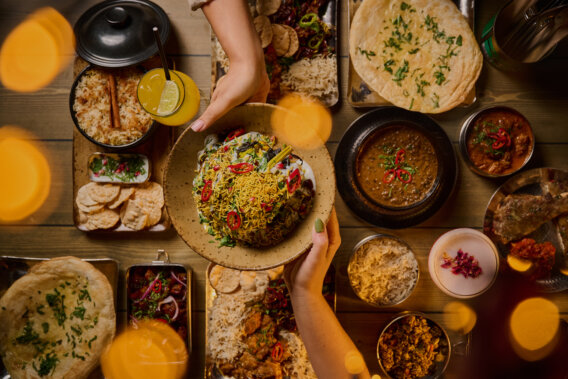
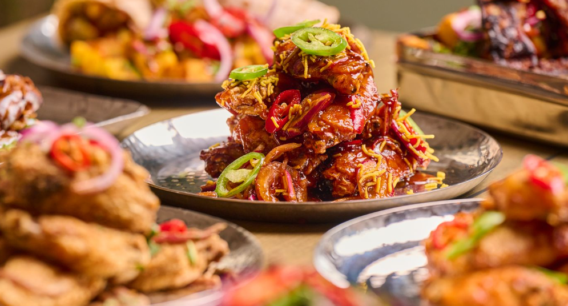
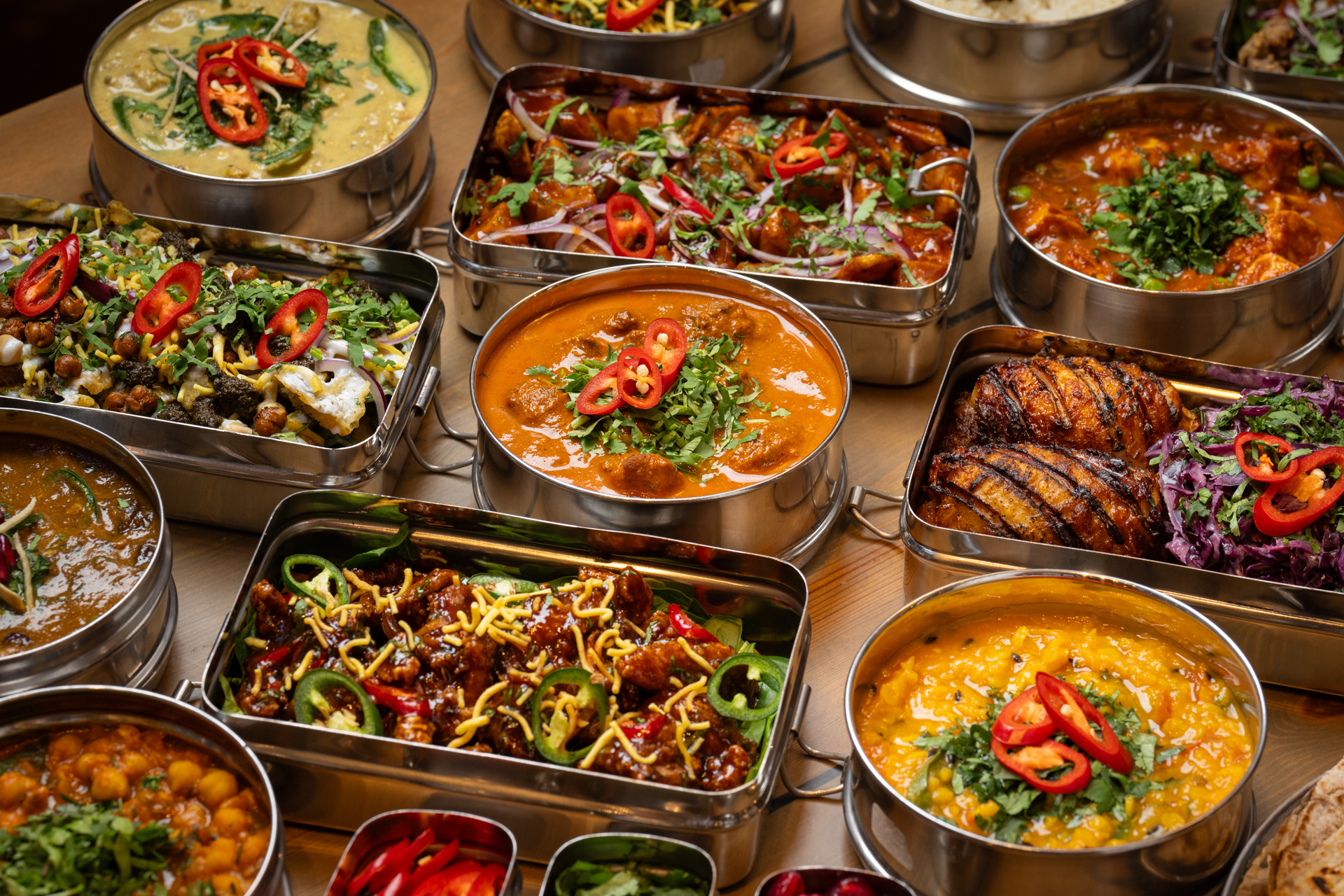
The Mowgli philosophy — food as it’s eaten in Indian homes and on Indian streets, shared across the table with family and friends — is deeply aligned with Bristol’s own food culture: vibrant, generous, unpretentious, and absolutely committed to flavour. The menu spans street plates (think chat bombs, sticky chicken wings, fenugreek kissed fries), fresh dahls and curries, spiced street food classics and bold sharing plates, all designed to be ordered generously and passed around the table.
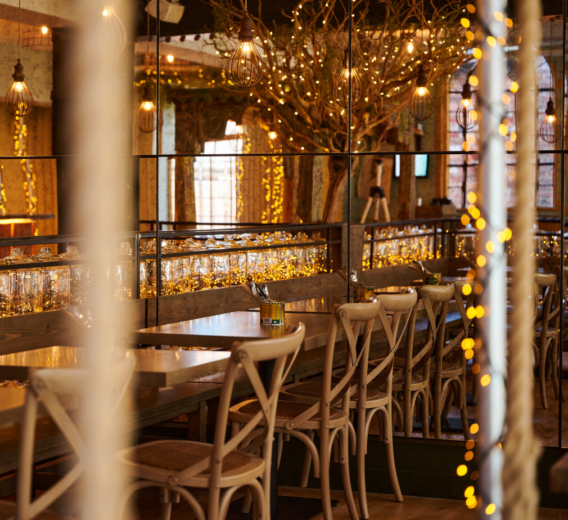
The high-ceilinged Corn Street space, with its hanging vines and warm lighting, captures a sense of place that feels both rooted in Bristol and transported somewhere more exotic. It’s a room that feels good to be in — and the food gives you every reason to stay.
Whether you’re in Bristol for a day or you live here and are looking for your next great meal, Mowgli Street Food Bristol is one of the city’s unmissable dining experiences.
📍 35 Corn Street, Bristol, BS1 1HT | 4 minutes’ walk from the Hippodrome theatre