Best Things to Do, See, and Eat
Bristol is one of those rare cities that manages to feel simultaneously historic and forward-thinking, bohemian and deeply rooted. It’s a city with Viking-era street names and world-class street art, a medieval harbour and a thriving independent food scene, a world-renowned engineering landmark and one of the UK’s best-loved live music venues. In short: it has no business being this interesting, and yet here we are.
Whether you’re visiting Bristol for a weekend, moving here, or you’ve lived here for years and feel like there’s always more to discover (there is), this guide covers the city’s best — the must-see attractions, the neighbourhoods worth knowing, the food scene worth eating your way through, and the cultural experiences that make Bristol genuinely unlike anywhere else in the UK.
Getting to Know Bristol: A City of Neighbourhoods
Bristol rewards exploration. The city is made up of distinct, characterful neighbourhoods, each with its own personality and its own pleasures. Before diving into specifics, it’s worth understanding the broad geography.
Bristol City Centre sits at the heart of things, anchored by the Harbourside to the west, Broadmead shopping to the north, and the Old City to the east. It’s home to the city’s major theatres (the Bristol Hippodrome and the Bristol Old Vic), the majority of its restaurants, and most of its cultural institutions.
Clifton sits on the hill above the city centre, connected by the iconic Suspension Bridge. It’s elegant, leafy, and home to the famous Clifton Village with its independent shops and restaurants.
Stokes Croft runs north from the city centre and is the beating heart of Bristol’s creative and alternative culture — street art, independent record shops, vegan cafes, and gig venues.
Bedminster lies south of the river and has evolved into one of Bristol’s most exciting food and drink destinations, with North Street at its core.
Wapping Wharf sits along the Harbourside and has become one of the city’s most exciting eating-out destinations, built around the famous Cargo shipping container restaurants.
Bristol’s Must-See Attractions
The Clifton Suspension Bridge
There is no more iconic image in Bristol than Brunel’s Clifton Suspension Bridge, spanning the Avon Gorge 76 metres above the river. Completed in 1864, it remains one of the finest engineering achievements of the Victorian era and one of the most beautiful bridges in the world. Walk across it, then walk back — few things offer such a spectacular perspective on the city. The visitor centre on the Clifton side tells the remarkable story of its construction.
The Harbourside
Bristol’s Harbourside is the city’s great gathering place. The floating harbour — a triumph of early nineteenth-century engineering that keeps the water level constant regardless of the tidal Avon — stretches from the city centre westward to the ss Great Britain. On a sunny day, the Harbourside is one of the most pleasurable places in England: boats moored along the quayside, the Arnolfini arts centre on one bank, restaurants and bars lining the waterside, and the kind of easy, sociable atmosphere that Bristol does better than almost anywhere.
The Harbourside hosts some of the city’s best annual events, including the Bristol Harbour Festival in July — one of the largest free events in the UK, drawing hundreds of thousands of visitors with live music, water-based activities, and street food.
Bristol Museum and Art Gallery
On Queens Road near the university, Bristol Museum houses impressive collections spanning natural history, Egyptology, Eastern art, and an excellent fine art collection that includes important works by the Bristol School of painters. Entry is free. The Egyptian mummy collection alone is worth the visit.
We The Curious (formerly @Bristol)
Sitting on the Harbourside beside the Arnolfini, We The Curious is Bristol’s science and ideas centre — part science museum, part cultural space, with hands-on exhibits, a planetarium, and a programme of events and exhibitions. Particularly brilliant for families, but designed to be genuinely engaging for adults too.
St Nicholas Market
Hidden in the heart of the Old City on Corn Street, St Nicholas Market is Bristol’s oldest market and one of its greatest pleasures. The covered market has been trading since the eighteenth century; today it’s home to independent food stalls, artisan producers, jewellers, and vintage clothing sellers. On the first Friday of each month, the surrounding streets host a specialist street food market that draws some of the city’s best independent food vendors.
Banksy’s Bristol
Banksy was born in Bristol, and while his work has spread across the world, the city retains a special relationship with street art that goes far beyond one artist. Banksy’s remaining works in Bristol are spread across the city, some protected by perspex screens; others have been lost to the years. The wider street art scene in Stokes Croft and the surrounding area is extraordinary and changes constantly — a walking tour of the neighbourhood is one of the best free things to do in Bristol.mobility needs, though it’s worth checking specific requirements with the box office when booking.
Bristol’s Food Scene: Why the City Punches Above Its Weight
Bristol’s food scene has been among the most exciting in the UK for the past decade, and it continues to evolve and surprise. The city has a particular affinity for independent restaurants, street food, and ethical, sustainable cooking — and it shows in the quality and variety of what’s available.
Wapping Wharf and the Cargo Containers — The Wapping Wharf development along the Harbourside has become one of Bristol’s most talked-about eating destinations. The restaurants here are housed in a creative cluster of repurposed shipping containers, with a constantly rotating cast of independent concepts.
St Nicholas Market — As mentioned above, the food offering at St Nick’s Market is exceptional. From freshly made Ethiopian injera to salt beef bagels, the stalls here represent some of the best value eating in the city.
Corn Street and the Old City — This historic street and the lanes around it are home to some of Bristol’s most celebrated restaurants, many of which occupy beautifully preserved old buildings. The combination of architecture and food makes this one of the great dining streets in the UK.
Bedminster and North Street — South Bristol has quietly become one of the city’s most exciting food neighbourhoods. North Street is lined with independent restaurants, bars, and cafes that reflect the area’s diverse and creative community.
Stokes Croft — Eclectic, independently-minded, and always interesting: this neighbourhood offers some of the city’s most diverse and unconventional dining experiences.
Bristol’s Cultural Offer: Theatre, Music, and Art
Bristol Hippodrome
The Bristol Hippodrome on St Augustine’s Parade is Bristol’s grandest and most celebrated theatre venue. Designed by Frank Matcham and opened in 1912, the Hippodrome hosts West End touring productions, Welsh National Opera performances, major comedy shows, and the city’s beloved annual pantomime. In 2025 and 2026, the programme includes productions of Miss Saigon, Matilda the Musical, Legally Blonde, The Bodyguard, and Back to the Future — a lineup that reflects the Hippodrome’s position as one of the country’s premier regional theatre venues.
Bristol Old Vic
On King Street — one of Bristol’s most beautifully preserved Georgian streets — the Bristol Old Vic is one of the oldest continuously operating theatres in the English-speaking world. Its programme leans towards drama, new writing, and ambitious large-scale productions. The recently restored theatre is architecturally magnificent.
Bristol Beacon
Bristol’s premier concert hall hosts the BBC National Orchestra of Wales, the Bristol Proms, and a programme spanning classical music, jazz, and contemporary artists. The building on Trenchard Street has undergone extensive restoration and is as impressive inside as out.
The Arnolfini
Located on the Harbourside, the Arnolfini is one of Europe’s leading centres for contemporary arts, with a programme of exhibitions, film, performance, and events. Entry to exhibitions is free. The bookshop is excellent.
Exploring Bristol on Foot: Four Walks Worth Taking
Bristol is a brilliantly walkable city in its centre, though famously hilly in its wider reaches. Here are four walks that reward the effort:
The Harbourside Loop — Starting from the centre at the M Shed, walk west along the north bank of the harbour past the Arnolfini to the ss Great Britain, then return along the south side through Spike Island and Wapping Wharf. Allow ninety minutes; add time for food stops along the way.
The Clifton Village and Suspension Bridge Walk — Take the bus or walk up to Clifton Village, explore the Georgian streets and independent shops, then walk out to the Suspension Bridge and the cliff tops above the Avon Gorge. The views over Bristol from Clifton Down are exceptional.
The Old City — Starting from Corn Street, wander through the Old City’s medieval lanes: Small Street, St Nicholas Street, Wine Street, and the ancient church of St Mary Redcliffe across the water. Bristol’s history as a medieval trading port is woven into these streets.
The Stokes Croft Street Art Walk — Starting at the top of Park Street, walk north through Stokes Croft and Jamaica Street, following the street art. No map needed: just look up, look around, and be prepared to stop often.
Practical Information for Visiting Bristol
Getting to Bristol — Bristol is served by Bristol Temple Meads station, with fast trains from London Paddington (approximately one hour fifty minutes), Cardiff (fifty minutes), and Birmingham. Bristol Airport is about twelve miles south of the city.
Getting around — Most city centre attractions are walkable. The First Bus network covers the wider city, including Clifton and Bedminster. Beryl e-scooters and e-bikes are available to hire across the city centre. Taxis and ride-hailing apps are widely available.
When to visit — Bristol is a year-round city, but late spring and early autumn are particularly good times to visit — the weather is reliably pleasant, the major festivals are either approaching or just past, and the city feels less crowded than high summer.
Major annual events — Bristol Harbour Festival (July), Bristol International Balloon Fiesta (August, in Ashton Court), Bristol Pride (July), Love Saves the Day music festival (May), and St Paul’s Carnival (July) are among the city’s major annual events.
Complete Your Bristol Visit: Book Your Table at Mowgli Street Food
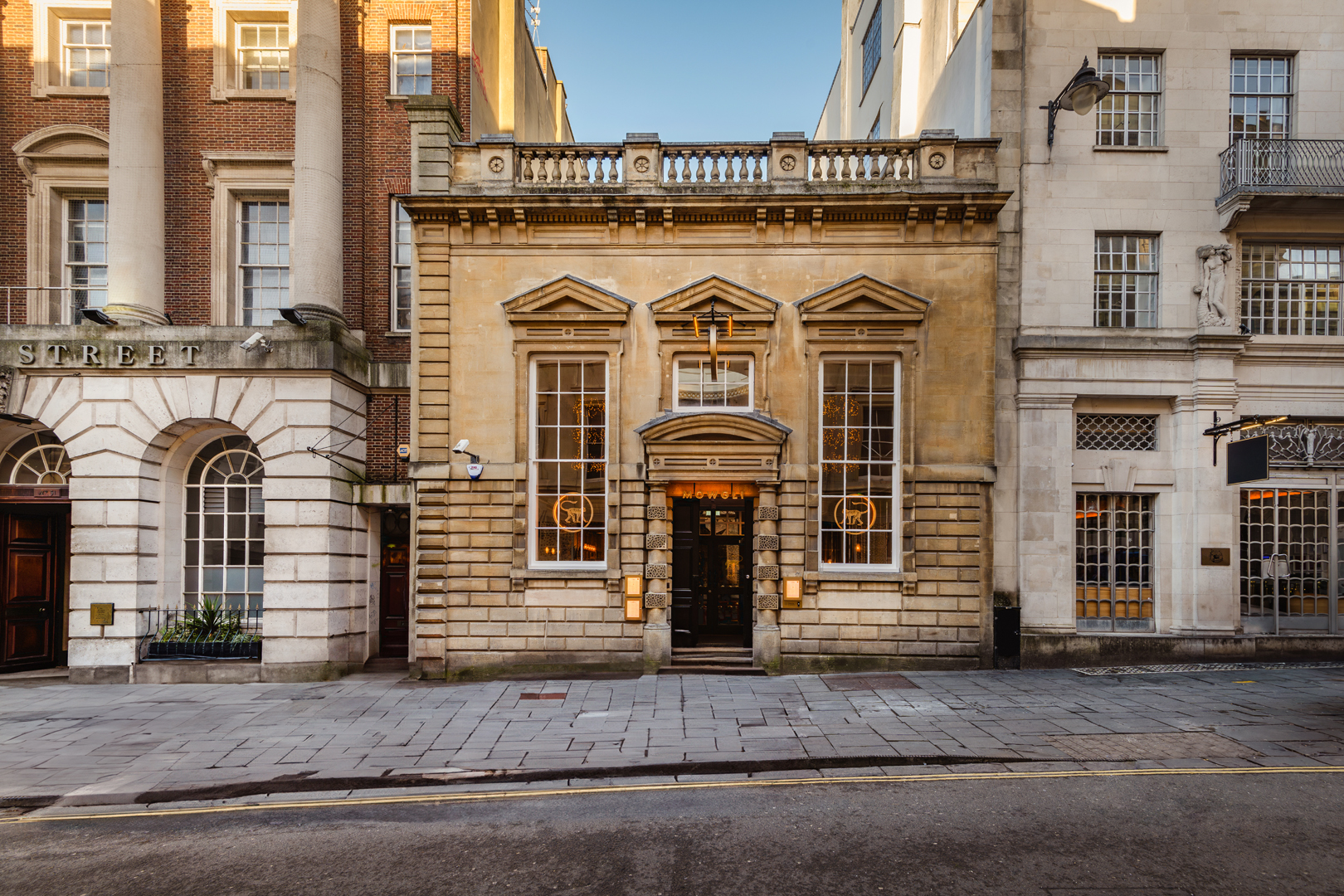
No visit to Bristol city centre is complete without a great meal on Corn Street — and Mowgli Street Food is one of the best reasons to make your way to this historic street.
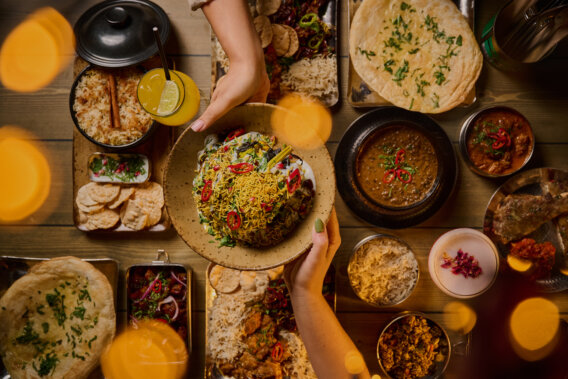
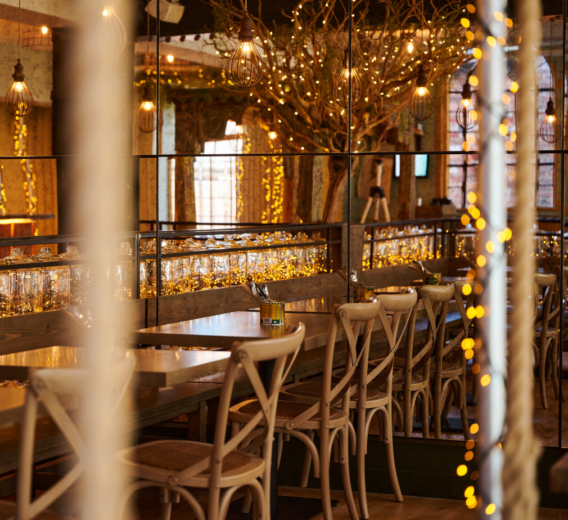
Housed in an elegantly high-ceilinged building at number 35, Mowgli brings the vibrant flavours of Indian street food and home cooking to the heart of Bristol. The sharing-plate menu — inspired by how Indians eat at home and on the streets — is perfect for groups, perfect for solo diners, and perfect for anyone who wants to experience the breadth and depth of Indian food in a single sitting.
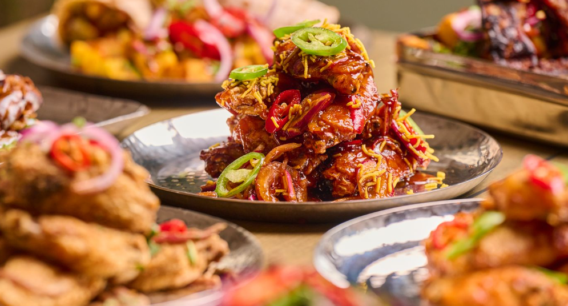
Think Temple Dahl, Mother Butter Chicken, spicy Chip Butties, Garlic & Coriander Paratha, and much more — all designed for sharing, all freshly prepared, all full of the kind of bright, bold flavour that makes you want to order just one more plate.
Whether you’re in Bristol for a weekend, visiting the Hippodrome, or just looking for the best Indian street food the city has to offer, Mowgli is the answer.
📍 35 Corn Street, Bristol, BS1 1HT | 4 minutes’ walk from the Hippodrome theatre