What makes Sheffield’s food culture unique in the UK?
Sheffield’s food culture is unique in the UK because it blends a deep working-class culinary heritage with one of the most diverse and independent-minded dining scenes outside of London. The city’s industrial past, its large South Asian communities, and a stubborn preference for local over corporate have shaped a food identity that feels genuinely its own. The questions below unpack exactly what makes Sheffield’s food scene worth knowing.
What kinds of food is Sheffield known for?
Sheffield is best known for its comfort food traditions, its thriving South Asian restaurant scene, and a growing independent dining culture that spans street food, craft beer, and global cuisine. The city has strong roots in pie shops, Henderson’s Relish, and chip butties, alongside some of the most respected curry houses in the north of England.
Henderson’s Relish, a spiced sauce produced in Sheffield since the 1880s, is arguably the city’s most iconic food product. Often called “Hendos” by locals, it is a point of fierce civic pride and appears on tables across the city the way Worcestershire sauce might elsewhere. Its devoted following says a great deal about Sheffield’s relationship with food: loyal, unpretentious, and rooted in place.
Beyond tradition, Sheffield has built a reputation for independent food markets and street food. Sharrow Vale Road and the Moor Market are popular destinations for artisan produce, local butchers, and independent traders. The city also has a well-established cafe culture and a growing number of restaurants serving everything from Ethiopian and Korean food to contemporary British cooking.
How did Sheffield’s industrial past shape its food identity?
Sheffield’s industrial heritage shaped its food culture by creating a city built around feeding working people well and cheaply. Steel workers, miners, and factory workers needed hearty, filling meals, and the traditions that emerged, from pie shops to fish and chip suppers, reflected that practical, no-fuss relationship with food. That ethos still runs through the city’s dining culture today.
The industrial era also brought waves of migration to Sheffield, as workers arrived from across the UK and eventually from South Asia, the Caribbean, and beyond. Each community brought its own food traditions, and over generations those traditions became embedded in the city’s culinary identity. Sheffield’s diversity is not a recent phenomenon but something built slowly over more than a century of industrial labour and community life.
There is also something in Sheffield’s character that resists pretension. The city has historically been sceptical of anything that feels overly polished or designed to impress rather than satisfy. That attitude shapes the food scene in a meaningful way: restaurants that focus on honest, generous cooking tend to thrive here, while places that prioritise style over substance often struggle to find a loyal following.
Why does Sheffield have such a strong South Asian food scene?
Sheffield has a strong South Asian food scene because of the significant Pakistani and Bangladeshi communities that settled in the city from the 1950s onwards, drawn by work in the steel industry. Over decades, those communities established restaurants, cafes, and food businesses that became central to the city’s identity. Areas like Spital Hill and Abbeydale Road are particularly well known for South Asian food.
The quality and variety of South Asian cooking in Sheffield is genuinely impressive. The city has long-standing curry houses that have served the same loyal customers for generations, alongside newer restaurants that bring regional Indian and Pakistani cooking to a wider audience. Balti, karahi, and biryani are staples, but diners can also find more specialised regional dishes that rarely appear on menus elsewhere in the country.
This is part of what makes Sheffield’s South Asian food culture distinct from that of larger cities. Rather than concentrating in a single “curry mile” or tourist-facing strip, Sheffield’s South Asian restaurants are woven into neighbourhood life across the city. Many are family-run, deeply community-oriented, and focused on cooking that reflects how food is actually eaten at home, not a version adjusted for outside expectations.
What makes Sheffield’s independent restaurant scene different from other UK cities?
Sheffield’s independent restaurant scene stands out because the city has a notably low concentration of national chains relative to its size, which means independent operators have more room to thrive. Locals actively support independent businesses, and there is a strong food community culture that gives new openings a genuine chance to build an audience without competing against the marketing budgets of large restaurant groups.
The city’s relatively low rents compared to Manchester, Leeds, or London have historically made it more accessible for chefs and restaurateurs to open without needing significant investment. That has allowed more experimental and passion-driven concepts to survive their early years and find their feet. Sheffield has a track record of nurturing food businesses that go on to earn regional and national recognition.
There is also a real sense of community among Sheffield’s food operators. Collaboration between restaurants, food markets, and local producers is common, and the city has a number of food events and festivals that bring independent businesses together. That collective energy creates a scene that feels alive and locally rooted rather than shaped by national trends imposed from outside.
Where are the best areas to eat in Sheffield?
The best areas to eat in Sheffield are Ecclesall Road, the city centre, Sharrow Vale Road, and the Kelham Island district. Each has a distinct character: Ecclesall Road is long and varied with everything from neighbourhood cafes to evening restaurants; Kelham Island has become a destination for craft beer and independent dining; and Sharrow Vale Road is beloved for its village-like feel and artisan food shops.
Ecclesall Road
Ecclesall Road is one of Sheffield’s most celebrated dining streets, stretching south from the city centre through Broomhill and Hunters Bar. It is home to a wide range of independent restaurants, bars, and cafes serving cuisines from across the world. The street has a relaxed, neighbourhood feel that makes it popular with students, young professionals, and families alike. Mowgli Sheffield sits on Ecclesall Road at number 631, bringing Indian street food to Sheffield to one of the city’s most food-focused areas.
Kelham Island
Kelham Island, a former industrial district close to the city centre, has transformed into one of Sheffield’s most exciting areas for food and drink. The neighbourhood is particularly well known for its craft beer scene but has also attracted a growing number of independent restaurants and street food traders. Its repurposed industrial buildings give it an atmosphere that feels genuinely distinct from anywhere else in the city.
How does Sheffield’s food culture compare to Manchester and Leeds?
Sheffield’s food culture is more neighbourhood-driven and independent-minded than Manchester or Leeds, both of which have larger city centre dining scenes with a higher proportion of national brands and high-profile restaurant openings. Eating in Sheffield feels more embedded in local community life, less shaped by trend cycles, and more likely to reflect the city’s own identity rather than following what is happening in London or elsewhere.
Manchester has a larger and more internationally recognised food scene, with a wider range of high-end and concept-driven restaurants, and a curry mile in Rusholme that draws visitors from across the region. An Indian restaurant in Manchester operates in a city where South Asian food has been part of the cultural fabric for generations, and competition among operators is intense. Leeds has developed rapidly over the past decade and now has a strong independent food culture of its own, particularly around Headingley, Chapel Allerton, and the city centre.
What Sheffield offers that neither city quite replicates is a sense of scale and accessibility. The dining scene is large enough to be genuinely varied but compact enough that locals develop real loyalty to specific places. Restaurants in Sheffield tend to rely on repeat custom and word of mouth rather than footfall from tourism or office workers, which creates a different and arguably more honest relationship between restaurants and the people who eat in them.
How Mowgli brings Indian street food to Sheffield and beyond
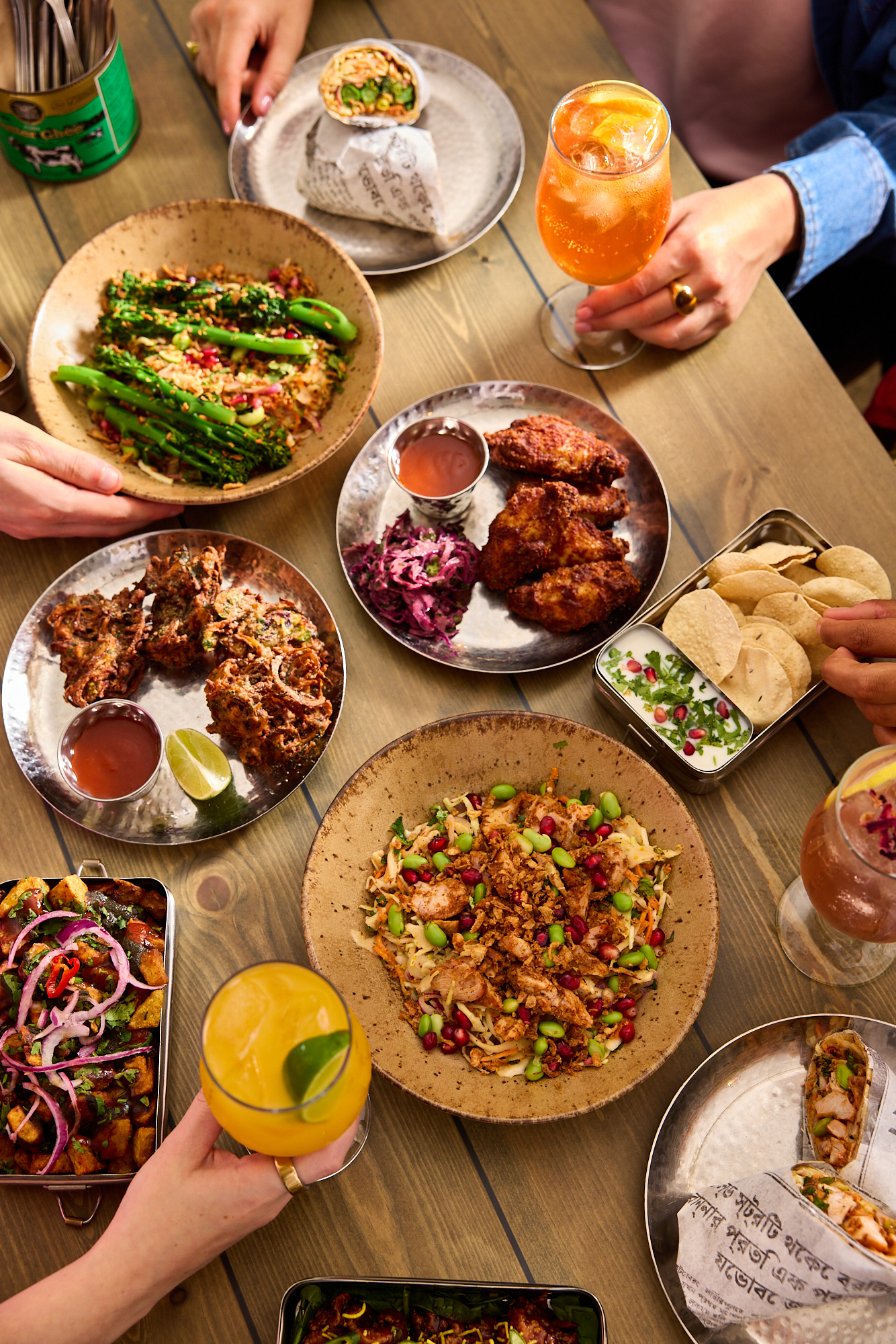
Mowgli Street Food is rooted in the same values that define Sheffield’s best independent dining: honest cooking, real ingredients, and food that reflects how people actually eat rather than what they expect from a restaurant. At Mowgli Sheffield on Ecclesall Road, the menu draws on the street food and home cooking traditions of India, with dishes made fresh each morning using herbs, spices, and recipes passed down through families.
- Fresh, daily-cooked dishes including Temple Dahl, Mother Butter Chicken, and slow-cooked Mowgli House Lamb
- Full vegan and gluten-friendly options, including lighter tiffin choices
- Sharing plates designed for groups, in the true spirit of Indian communal eating
- Lively, welcoming spaces that suit everything from a casual weeknight dinner to a celebration with friends
- Private and semi-private event hire options available at the Sheffield restaurant
Whether you are eating in Sheffield or visiting one of the other Mowgli locations across the UK, from Leeds and Manchester to Edinburgh and Bristol, the food is the same: fresh, bright, and cooked with care. Find your nearest Mowgli and swing by.