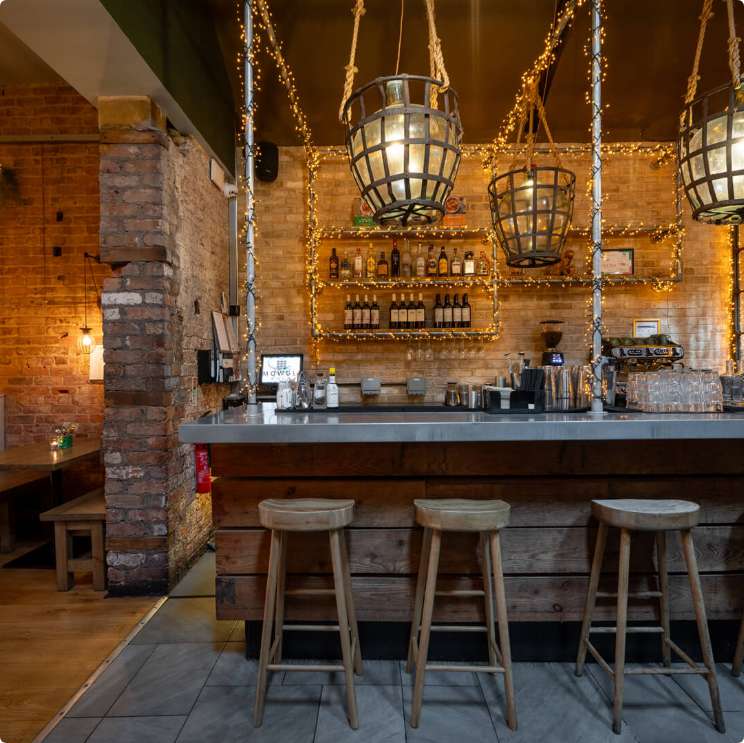
Manchester’s food scene right now is one of the most exciting in the UK. The city has evolved far beyond its traditional roots, with a thriving mix of independent restaurants, global street food, and neighbourhood dining that punches well above its weight. From the Northern Quarter to Ancoats, Manchester is drawing serious food lovers from across the country. Here is a closer look at what makes it tick in 2026.
What kinds of restaurants are trending in Manchester right now?
Manchester’s restaurant scene in 2026 is being shaped by a move toward casual, flavour-led dining that prioritises quality ingredients and genuine cooking over fine dining formality. Sharing plates, street food formats, and globally inspired menus are consistently drawing the biggest crowds, with diners looking for bold flavours and a relaxed atmosphere rather than white tablecloths and set menus.
A few clear trends stand out across the city at the moment:
- Street food and small plates: Restaurants built around sharing and grazing continue to grow in popularity. Diners want variety, and the small plates format lets them try more of the menu in a single visit.
- Plant-forward menus: Vegan and vegetarian options are no longer a side note. Many of the most talked-about spots in Manchester now lead with plant-based dishes rather than treating them as an afterthought.
- South Asian street food: Indian street food in particular has seen a surge of interest, with diners seeking out the kind of fresh, spiced cooking that reflects how people actually eat in India, rather than the heavy, anglicised dishes of older curry houses.
- Neighbourhood independents: There is a growing appetite for restaurants with a genuine identity and local roots, rather than generic chain dining.
The common thread running through all of these trends is authenticity. Manchester diners in 2026 are curious, well-travelled, and harder to impress with surface-level novelty. They want food that actually tastes like something.
Which neighbourhoods have the best food in Manchester?
The best food in Manchester is spread across several distinct neighbourhoods, each with its own character. Ancoats has emerged as the city’s most talked-about dining destination, home to a cluster of independent restaurants with serious culinary ambition. The Northern Quarter remains a reliable hub for casual eating, independent cafés, and street food culture. Spinningfields attracts more of an after-work crowd, with a mix of well-known names and upmarket casual dining.
The city centre itself, particularly around the Corn Exchange at Exchange Square, has become a genuine destination for food lovers. The Corn Exchange building in particular has transformed into one of the most vibrant dining spaces in the north of England, gathering a range of cuisines under one roof in a stunning Victorian setting.
Chorlton and Didsbury are worth mentioning for those willing to venture slightly further out. Both areas have strong independent food cultures and a loyal local following, with a particular strength in casual neighbourhood restaurants that feel genuinely rooted in their communities.
How has Indian food in Manchester evolved in recent years?
Indian food in Manchester has shifted significantly over the past decade, moving away from the traditional Anglo-Indian curry house model toward something far more diverse and authentic. The old formula of heavy sauces and predictable dishes still exists, but it no longer defines what Indian dining in the city looks like. A new generation of restaurants is drawing on regional Indian cooking, home recipes, and street food traditions that most British diners had little exposure to before.
The Curry Mile in Rusholme remains a landmark, but it now sits alongside a much broader range of Indian dining options scattered across the city. What has changed most is diners’ expectations. People eating at an Indian restaurant in Manchester today are often looking for something lighter, fresher, and more varied than what the curry house format traditionally offered.
Street food formats have played a big role in this shift. Dishes like chaat, tiffin-style meals, and tandoori wraps bring the energy and informality of Indian street eating to a British high street context, and Manchester’s Indian street food culture has embraced this enthusiastically. The result is a city where Indian food genuinely reflects the breadth and vibrancy of the cuisine, rather than a narrow interpretation of it.
What are the best dishes to try on Manchester’s food scene?
The best dishes to try in Manchester right now reflect the city’s strengths: bold flavours, fresh ingredients, and cooking that draws on genuine culinary traditions. Across the city’s Indian restaurants and street food spots, a handful of dishes consistently stand out as worth seeking out.
- Temple Dahl: Red lentils simmered until tender and finished with toasted cumin, coriander, and lemon. Simple, fresh, and deeply satisfying.
- Slow-cooked lamb dishes: Heirloom-style recipes that let the meat fall apart in the pot, often simmered with onion, plum, and chickpeas for a rich, layered flavour.
- Mother Butter Chicken: Tandoori chicken pieces in a spiced tomato and yoghurt sauce, finished with butter. A dish that rewards good sourcing and careful cooking.
- Street chaat: The tangy, textured snacks that define Indian street food culture, bringing together tamarind, mint, yoghurt, and crunch in a way that is hard to replicate at home.
- Tandoori wraps: Fresh, portable, and packed with flavour. A great entry point for anyone new to Indian street food.
Beyond Indian food, Manchester’s wider food scene rewards exploration. The city has strong offerings in Japanese, Middle Eastern, and modern European cooking, but the street food and street food Manchester culture, particularly around South Asian cuisine, remains one of its most distinctive strengths.
Is Manchester a good city for vegan and healthy eating?
Manchester is an excellent city for vegan and health-conscious eating. The shift toward plant-forward menus has been particularly pronounced here, with a strong independent restaurant culture that has embraced vegan cooking as a genuine creative discipline rather than a dietary obligation. Many of the city’s most popular restaurants now offer menus where vegan dishes are among the most interesting options, not just the safest fallback.
Indian street food is a natural fit for health-conscious diners. Much of traditional Indian home cooking is inherently plant-based, built around lentils, vegetables, and spices rather than heavy proteins or rich sauces. Dishes like Temple Dahl and street chaat are both vegan and genuinely satisfying, which challenges the assumption that healthy eating means compromising on flavour or leaving the table hungry.
The city also has a growing number of restaurants offering lighter, calorie-conscious meal formats, such as tiffin-style options that bring together a balanced spread of dishes at a sensible portion size. For anyone looking to eat well without overthinking it, Manchester’s food scene in 2026 makes that genuinely easy.
Where should you eat in Manchester for a casual group meal?
For a casual group meal in Manchester, the best options are restaurants built around sharing plates and a lively, informal atmosphere. The city has a strong culture of group dining, and the best venues for it tend to be places where the format encourages everyone to try a bit of everything, rather than locking each person into a single main course.
The Corn Exchange area is a particularly good starting point. It brings together several strong dining options in a central, easy-to-reach location that works well for groups arriving from different parts of the city. Booking ahead is sensible for larger parties, though many of the more casual spots also welcome walk-ins earlier in the evening.
Indian street food restaurants are well suited to group dining by design. The sharing plates format maps naturally onto how Indian food is traditionally eaten, with dishes arriving at the table to be passed around and enjoyed together. It removes the awkwardness of individual ordering and tends to produce a more relaxed, social meal. For groups with mixed dietary needs, the combination of vegan, meat, and gluten-friendly options that many of these restaurants offer makes the logistics considerably simpler.
How Mowgli helps you eat well in Manchester
Mowgli Street Food is based at the Corn Exchange, Exchange Square in Manchester, and it is built around exactly the kind of dining experience this city does best. If you are looking for fresh, flavour-packed Indian street food in a setting that works just as well for a solo lunch as it does for a group dinner, Mowgli is worth knowing about. Here is what it offers:
- A menu of Indian street food and home-style dishes cooked fresh each morning, including Temple Dahl, Mother Butter Chicken, Mowgli House Lamb, and street chaat
- Full vegan and gluten-friendly options across the menu, with lighter tiffin-style meals available for health-conscious diners
- A sharing plates format that suits groups of all sizes, from a quick meal for two to a larger celebration
- Private and semi-private event hire for those looking to book the space for a special occasion
- Walk-ins welcome, with table reservations also available online
Mowgli exists to enrich lives in the cities it goes to, and Manchester is very much one of those cities. If you are ready to try something genuinely good, find your nearest Mowgli restaurant and come and see what all the fuss is about.