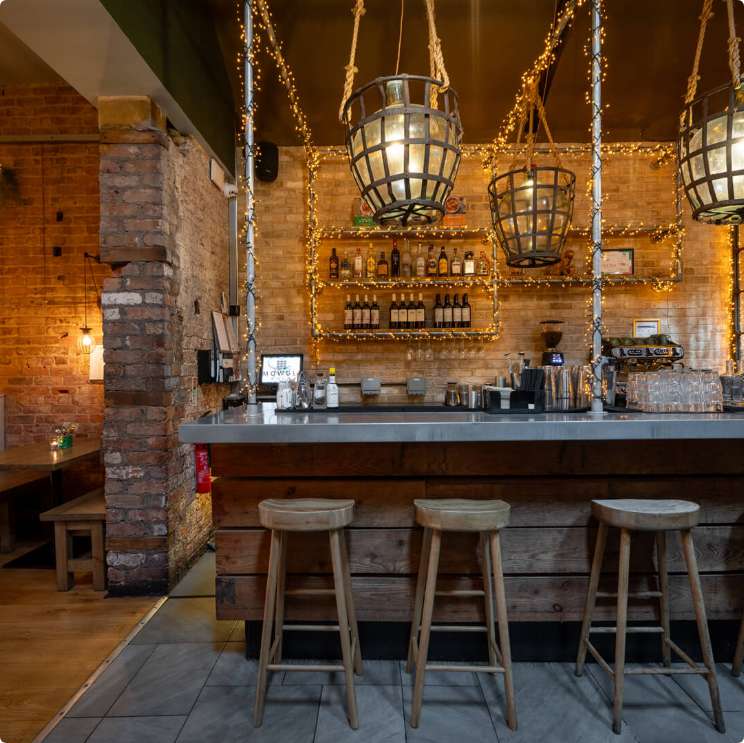
Indian food has fundamentally changed UK nightlife by shifting the culture of eating out after dark from a purely functional habit into a social ritual built around bold flavour, shared plates, and lively atmosphere. What began as a post-pub tradition in the 1970s and 1980s has evolved into something far more central to how British people plan and enjoy their evenings. From curry miles to cocktail menus infused with cardamom and tamarind, Indian cuisine now shapes the rhythm of a British night out in ways that go well beyond a late-night tikka masala. Here is a closer look at how that transformation happened and where it is heading.
How did Indian restaurants become central to British night out culture?
Indian restaurants became central to British night out culture through a combination of affordability, late opening hours, and a genuinely welcoming atmosphere that suited groups of friends eating together after a long evening. By the 1980s, visiting an Indian restaurant after the pub had become a nationwide tradition, giving Indian cuisine a unique position at the heart of British social life that no other cuisine had quite matched.
The reasons run deeper than convenience. Indian food is built for sharing. Large dishes, varied textures, and complementary flavours make it naturally suited to a table of people who want to try everything. That communal quality resonated with British diners in a way that more individually plated cuisines simply did not. A group could order broadly, pass dishes around, and stay at the table for hours without the evening feeling rushed.
Indian restaurant owners also understood hospitality in a way that made guests feel genuinely at home. Many were family-run businesses where warmth and generosity were baked into the experience. That culture of welcome, combined with food that was hearty, fragrant, and unlike anything most British families were cooking at home, made Indian restaurants the natural choice for a fun restaurant near me search long before smartphones existed to make those searches possible.
What role did the ‘curry mile’ play in shaping UK food culture?
The Curry Mile, the stretch of Wilmslow Road in Rusholme, Manchester, played a defining role in shaping UK food culture by demonstrating that Indian cuisine could anchor an entire urban dining destination. At its peak, it was one of the highest concentrations of South Asian restaurants outside the Indian subcontinent, and it drew diners from across the north of England who made an evening visit part of a wider night out in the city.
Its influence extended well beyond Manchester. The Curry Mile proved that Indian restaurants could be a destination in their own right rather than a fallback option. It showed other UK cities that concentrating Indian and South Asian food businesses in a single area created an atmosphere and identity that drew visitors consistently. Comparable strips emerged in Birmingham’s Balti Triangle, Bradford’s Manningham Lane, and London’s Brick Lane, each developing their own character and loyal following.
The cultural legacy of these areas is significant. They normalised the idea of Indian food as celebratory, social, and worth travelling for. They also introduced generations of British diners to regional variety within Indian cuisine, moving conversations beyond the standard menu staples and opening the door to the more diverse, authentic cooking that modern Indian restaurants now champion.
How has modern Indian street food changed late-night dining in the UK?
Modern Indian street food has changed late-night dining in the UK by replacing heavy, rich dishes with lighter, brighter options that feel energising rather than indulgent. Where the post-pub curry of previous decades often meant a large, cream-heavy dish eaten quickly before closing time, today’s Indian street food menus offer fresh, bold flavours that work just as well at 10pm as at 7pm.
Street food formats are naturally suited to late-night eating. Small plates, wraps, chaat, and lentil dishes are easy to share, quick to arrive, and satisfying without being overwhelming. This shift has made Indian food appealing to a broader audience, including health-conscious diners who might previously have skipped a late meal entirely. The rise of fresh, vegetable-forward dishes and vegan options has been particularly significant, bringing Indian cuisine into line with how a younger generation thinks about food.
The atmosphere has changed too. Modern Indian street food restaurants tend to be lively, informal, and designed for groups, which fits naturally into a night out. They are not hushed or ceremonial. The energy in the room is part of the appeal, making them a genuine destination for fun restaurants near me rather than simply a place to eat before heading elsewhere.
Why are Indian flavours now found across UK bars and cocktail menus?
Indian flavours have spread across UK bars and cocktail menus because bartenders and mixologists have recognised that spices like cardamom, turmeric, tamarind, and chilli create complexity and depth in drinks that few other flavour traditions can match. As cocktail culture has matured in the UK, there has been a move away from straightforward sweet-and-sour combinations toward more layered, unexpected flavour profiles, and Indian spice provides exactly that.
The trend reflects a broader shift in how British consumers think about flavour. A generation that grew up eating Indian food and has since explored Indian street food, regional cooking, and home recipes is naturally drawn to those same flavours in their drinks. Mango lassi-inspired cocktails, chai-spiced spirits, and tamarind sours have moved from novelty to menu staples in many UK cities.
Indian-inspired drinks also pair naturally with the kind of sharing-plate dining that dominates modern casual restaurants. When food and drink menus are designed to complement each other, Indian spice becomes a thread that runs through the whole evening rather than appearing only on the plate. This integration has made Indian flavour a genuine part of the UK’s broader drinks and food near me culture, not a separate category sitting apart from it.
How has Indian food influenced the UK’s late-night food delivery scene?
Indian food has shaped the UK’s late-night food delivery scene more than almost any other cuisine, consistently ranking among the most ordered categories on delivery platforms. Its influence goes beyond volume. The expectation that Indian food should be available late, delivered quickly, and still taste good on arrival has raised the bar for what delivery customers expect from any cuisine.
The variety within Indian food has also driven innovation in how delivery menus are structured. Rather than a single set menu, Indian restaurants pioneered the idea of offering a wide range of dishes that could be mixed and matched, allowing customers to build a meal that suited a group with different preferences. That model has since been adopted across delivery platforms by restaurants of every type.
The growth of delivery has also pushed Indian restaurants to think more carefully about which dishes travel well, leading to a focus on robust curries, wraps, and lentil-based dishes that hold their texture and flavour during transit. This has, in turn, influenced how menus are designed for dine-in too, with a preference for dishes that are bold and structured rather than delicate or temperature-sensitive.
What does the future of Indian food in UK nightlife look like?
The future of Indian food in UK nightlife looks increasingly like an experience built around atmosphere, authenticity, and genuine variety rather than the standardised curry-house format of previous decades. Diners are seeking out Indian restaurants that reflect the real diversity of Indian home cooking and regional street food, and that trend is only accelerating as food knowledge and curiosity continue to grow across the UK.
Health-consciousness is shaping the direction too. Lighter menus, vegan-forward dishes, and fresh ingredient-led cooking are becoming expectations rather than exceptions. Indian cuisine is well placed to meet that demand because so much of its traditional repertoire is already plant-based, spice-driven, and nutritionally rich. The challenge for restaurants is communicating that authentically without losing the warmth and energy that makes Indian dining such a natural fit for a night out.
Group dining is also evolving. As more people look for a cool restaurant near me that offers a full evening experience rather than just a meal, Indian restaurants that invest in atmosphere, event hosting, and shared-plate menus are positioned to become the anchor of a night out rather than just one part of it.
How Mowgli brings Indian street food to the heart of your night out
Mowgli Street Food is built for exactly the kind of evening this article describes. Whether you are planning a casual dinner with friends or a larger group celebration, Mowgli offers an experience that goes well beyond a standard meal out. Here is what makes it a natural choice for group dining near me:
- Fresh, bold street food cooked each morning in every restaurant, from slow-simmered black lentils to tandoori wraps and house lamb
- A menu built for sharing, with small plates, chaat, and curries designed to be passed around the table in the true Indian tradition
- Full vegan and gluten-friendly options, so every guest at the table is genuinely catered for
- Event hosting options across all locations, including full venue hire, semi-private hire, and private dining rooms for special occasions
- Restaurants in 26 UK cities, from Manchester and London to Edinburgh, Bristol, and beyond, making it one of the most accessible Indian restaurants near me for groups across the country
If you are looking for a fun, flavour-packed evening with people you love, swing by and see what is on. Find your nearest Mowgli and book a table today.