How do you find hidden gem restaurants in Nottingham?
The best way to find hidden gem restaurants in Nottingham is to look beyond the city centre’s main dining strips and pay attention to where locals actually eat. Word of mouth, neighbourhood food communities, and a willingness to explore areas like Hockley and the Lace Market tend to surface the restaurants that never need to shout for attention. The questions below break down exactly how to do that, from where to look for recommendations to which cuisines are most worth seeking out.
What makes a restaurant a hidden gem in Nottingham?
A hidden gem restaurant in Nottingham is one that delivers a genuinely memorable meal without relying on heavy marketing, a prime location, or a famous name. These are places where the food does the talking, the regulars keep coming back, and first-time visitors often wonder how they had never heard of it before. The defining quality is substance over noise.
In practical terms, a hidden gem tends to share a few common traits. It is usually independently owned rather than part of a chain. The menu reflects a clear point of view, whether that is a regional Indian cuisine, a particular street food tradition, or a family recipe passed down through generations. The room feels lived-in rather than designed for Instagram. And the staff are there because they care about the food, not because they are reading from a script.
Nottingham has a genuinely strong independent food culture, and the city rewards diners who are curious enough to look past the obvious choices. The restaurants that locals return to week after week are rarely the ones with the biggest signs or the loudest social media presence.
Where do locals in Nottingham find restaurant recommendations?
Locals in Nottingham find the most reliable restaurant recommendations through personal networks, neighbourhood Facebook groups, and food-focused communities on Reddit and Instagram. These sources surface places that have earned real loyalty rather than simply paid for visibility, making them far more trustworthy than generic “best of” lists.
A few specific places worth checking include the Nottingham subreddit, where residents regularly share honest opinions about new openings and long-standing favourites. Local food bloggers who write specifically about the East Midlands dining scene tend to have a sharper eye for independent spots than national publications, which often focus on the same handful of well-known venues.
Asking staff at a restaurant you already trust is another underrated approach. The people cooking and serving food in Nottingham tend to know exactly where their colleagues eat on their days off, and those recommendations carry real weight. If you are already somewhere good, the team there can often point you somewhere even better.
Which Nottingham neighbourhoods have the best independent food scenes?
Hockley and the Lace Market are the two Nottingham neighbourhoods most consistently associated with independent restaurants and a genuinely local food culture. Both areas have a concentration of independently owned venues, creative menus, and a relaxed atmosphere that attracts diners who are looking for something beyond the standard high street offer.
Hockley in particular has developed a reputation as the city’s most eclectic dining quarter. The streets around Goose Gate and Carlton Street are home to a mix of cafes, small plates restaurants, and casual dining spots that reflect a wide range of culinary influences. The area attracts a younger, food-curious crowd and tends to be where new independent openings land first.
The Lace Market, with its converted warehouses and cobbled streets, offers a slightly more settled independent scene. Stoney Street and the surrounding area are worth exploring on foot, as some of the city’s most interesting restaurants are tucked into buildings that you might walk past without a second glance. Mowgli’s Nottingham restaurant sits at 1 Stoney Street, right in the heart of this neighbourhood, serving fresh Indian street food daily.
How do online reviews help — and mislead — when finding hidden gems?
Online reviews help by surfacing consistent patterns across many diners’ experiences, making it easier to identify restaurants that reliably deliver quality. They mislead when they favour volume over nuance, reward recent hype over long-term consistency, or reflect experiences that are unrepresentative of what a typical visit looks like.
The most useful way to read reviews is to look for specificity. A review that names a particular dish, describes what made it memorable, or explains why a diner came back is far more informative than a five-star rating with a single sentence. Reviews that mention the same dish or experience repeatedly across different users are a strong signal that something is genuinely worth ordering.
What the ratings often miss
Aggregate star ratings can flatten important distinctions. A restaurant with a 4.2 average across hundreds of reviews might be consistently good but never exceptional. A newer restaurant with fewer reviews but a high proportion of detailed, enthusiastic responses might be doing something far more interesting. Looking at the written content of reviews rather than the headline score gives a clearer picture.
When reviews actively mislead
Review platforms can also be skewed by a restaurant’s ability to encourage satisfied customers to leave feedback, which means well-organised chains sometimes outperform genuinely better independents in the rankings. Hidden gems often have fewer reviews simply because their regulars feel no particular need to write about them. If a restaurant has relatively few reviews but the ones that exist are detailed and loyal in tone, that is often a more interesting signal than a high volume of generic praise.
What types of cuisine are most underrated in Nottingham’s restaurant scene?
Indian street food is among the most underrated cuisine categories in Nottingham, largely because the city’s Indian restaurant scene has historically been associated with the traditional Anglo-Indian curry house format rather than the lighter, fresher, home-style cooking that reflects how people actually eat across India. Diners who have only experienced the former are often surprised by how different the latter tastes.
The distinction matters because real Indian home cooking, the kind built around fresh herbs, slow-cooked lentils, street chaat, and spiced wraps, is a long way from the heavy, sauce-led dishes that many people associate with a night out at an Indian restaurant. Dishes like Temple Dahl, made from red lentils simmered with toasted cumin, coriander, and lemon, or slow-cooked lamb with onion, plum, and chickpeas, carry a depth of flavour that feels genuinely different from what most people expect.
Beyond Indian food, Nottingham also has an underexplored offer in regional cuisines from South and East Asia, as well as a small but growing scene around fermented and naturally leavened food. These are areas where the best restaurants tend to be modest in their presentation and serious about their craft, which makes them easy to overlook if you are not actively looking.
When is the best time to visit a hidden gem restaurant in Nottingham?
The best time to visit a hidden gem restaurant in Nottingham is on a weekday evening or at lunchtime, when the room is quieter, service is more relaxed, and you are more likely to have a conversation with the staff about what is worth ordering. Weekend evenings at popular independents can be busy enough that the experience feels rushed, which is the opposite of what makes a hidden gem worth visiting in the first place.
Early in the week is particularly good for smaller restaurants that change their menus frequently or cook in limited quantities. Dishes that sell out by Thursday are often available on a Tuesday. Staff who are less stretched tend to be more generous with recommendations, and the overall pace of a quieter service often allows the kitchen to take a little more care.
If you are visiting a restaurant for the first time, arriving slightly before peak service, around 6pm on a weekday, gives you the best chance of getting a table without a long wait, having time to look at the menu properly, and leaving with a clear sense of whether you want to come back. Most hidden gems are worth a return visit, and the best ones tend to reward regulars more than one-time visitors.
How Mowgli helps you find your next favourite Indian restaurant
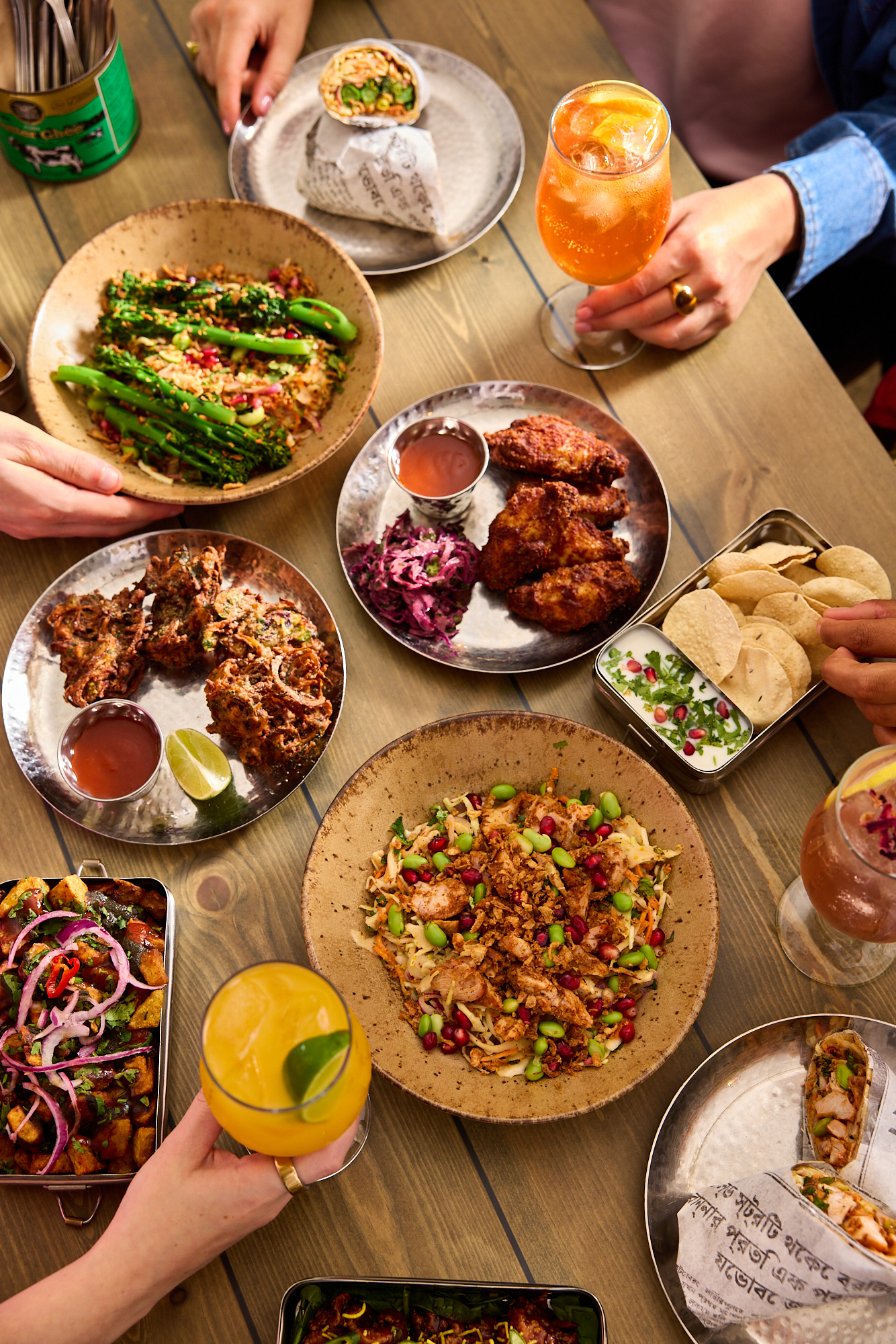
If you are looking for Indian street food that feels genuinely different from the usual, Mowgli Indian street food is a good place to start. The Nottingham restaurant on Stoney Street sits in the heart of the Lace Market and serves fresh, home-style Indian dishes daily, from Temple Dahl and Mowgli House Lamb to tandoori wraps and street chat. Here is what makes it worth a visit:
- Dishes are cooked fresh each morning using real herbs and spices, not reheated sauces
- The menu includes full vegan and gluten-friendly options, including a 600-calorie Lite Tiffin
- Sharing plates make it a natural fit for groups, families, or a casual meal with friends
- Walk-ins are welcome, and tables can be reserved online
- The venue is also available for private and semi-private hire for events and celebrations
Mowgli has restaurants across the UK, from Bristol and Birmingham to Edinburgh, Glasgow, Leeds, Manchester, Liverpool, Newcastle, and beyond. If you are curious about what Indian street food actually tastes like when it is done properly, find your nearest Mowgli and swing by.