What makes Indian food perfect for a night out?
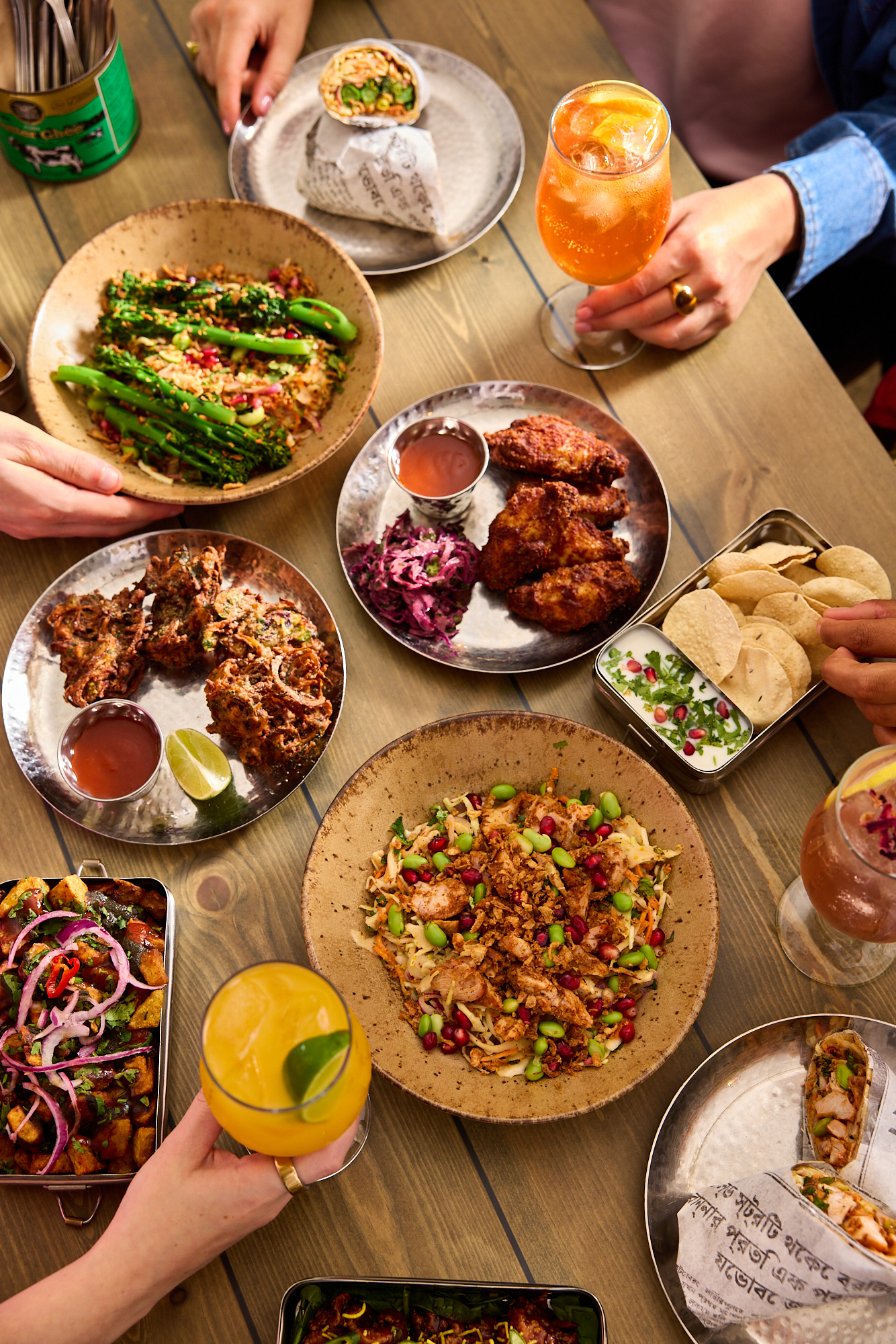
Indian food is perfect for a night out because it is built for sharing, naturally sociable, and packed with bold flavours that make every meal feel like an occasion. The combination of varied textures, aromatic spices, and dishes designed to be passed around the table means a group of any size can eat well, eat together, and genuinely enjoy the experience. Here is a closer look at exactly why Indian food delivers on every front when you are planning a night out.
Why do Indian flavours work so well for social eating?
Indian flavours work so well for social eating because the cuisine is built around variety, contrast, and abundance. A typical spread includes something tangy, something rich, something fresh, and something warming all at once, which means the table stays interesting from the first bite to the last. That natural range of tastes and textures makes Indian food one of the most rewarding choices for group dining.
The way Indian food is traditionally served plays a huge role too. In Indian homes and street food culture, meals are not plated individually and eaten in silence. Dishes arrive together, bowls are passed around, and everyone helps themselves. That rhythm creates conversation, laughter, and a shared sense of occasion that is hard to replicate with a single plate in front of you.
Spices also do something specific to the mood of a meal. Warming spices like cumin, coriander, and cardamom are genuinely aromatic in a way that makes a room feel alive. Eating food with that kind of depth engages the senses more fully, which is part of why an Indian dinner tends to feel more memorable than a more neutral meal might.
Is Indian food actually healthy for a night out?
Yes, Indian food is genuinely healthy for a night out, particularly when it draws on real home-cooking traditions rather than heavy, sauce-laden dishes. Lentils, chickpeas, fresh herbs, yoghurt, and vegetables form the backbone of authentic Indian cooking, and many dishes are naturally high in protein and fibre while being low in saturated fat. Vegan and lighter options are plentiful.
The stereotype that Indian food is rich, oily, or calorie-heavy comes largely from a particular style of Anglo-Indian restaurant cooking that became popular in the UK decades ago. Authentic Indian street food and home cooking look quite different. Dishes like dal, chaat, and tandoori-cooked proteins are light, fresh, and genuinely nourishing.
For those keeping an eye on what they eat, a well-chosen Indian meal can easily sit under 600 calories without feeling like a compromise. Lentil dishes, grilled meats, and vegetable-based curries are all satisfying without leaving you heavy. That balance between flavour and wellbeing is one of the things that makes Indian food such a smart choice when you want a fun night out that you will not regret the next morning.
What Indian dishes are best for sharing at the table?
The best Indian dishes for sharing are those with depth of flavour and broad appeal, including slow-cooked dals, tandoori meats, street chaat, and rich curry dishes that work alongside fresh breads and rice. These dishes hold well at the table, serve multiple people naturally, and give everyone something different to try without anyone feeling left out.
Chaat dishes are particularly well suited to sharing because they are light, punchy, and designed to be eaten in small portions. They work as a way to start the table off while the main dishes arrive, keeping energy high and conversation flowing.
Slow-cooked dishes like a dal or a lamb curry bring something different to the table. The depth that comes from hours of gentle cooking means one bowl can satisfy multiple people and anchor the rest of the meal. A dish like Mowgli House Lamb, slow-cooked with onion, plum, and chickpeas until it falls apart, is the kind of thing that makes a table go quiet for a moment before everyone starts talking about it.
Tandoori wraps and wings also work brilliantly in a group setting because they are easy to pass around and informal enough to keep the atmosphere relaxed. The mix of textures between a crisp wrap, a tender filling, and a cooling yoghurt sauce is exactly the kind of contrast that keeps people reaching back in.
Can Indian food suit everyone in a group, including vegans?
Indian food is one of the most inclusive cuisines for mixed groups because plant-based eating is deeply embedded in Indian culinary tradition. Many classic Indian dishes are naturally vegan, including lentil dals, vegetable curries, and chaat, so vegan guests are not choosing from a reduced menu but from the heart of the cuisine itself.
This matters a great deal when you are organising a group meal. Few things are more awkward than one person at the table having to ask for a special plate while everyone else eats freely. With Indian food, that rarely happens. The variety built into the cuisine means that meat-eaters, vegetarians, vegans, and those avoiding gluten can all eat well from the same spread.
Temple Dahl, for example, made from red lentils simmered until tender and finished with toasted cumin, coriander, and lemon, is a dish that works for almost everyone at the table. It is warming, satisfying, and completely plant-based. That kind of dish does not feel like a compromise for anyone eating it.
For groups with varied dietary needs, Indian street food is genuinely one of the most practical and pleasurable answers to the question of where to eat together.
What makes Indian street food different from a standard curry house?
Indian street food is different from a standard curry house in both origin and intention. Curry houses in the UK largely developed to suit British tastes in the mid-twentieth century, producing rich, sauce-heavy dishes that bear little resemblance to what people actually eat in India. Street food, by contrast, draws on the real flavours of Indian cities, markets, and home kitchens.
The difference shows up immediately on the plate. Street food dishes tend to be fresher, brighter, and more varied in texture. Where a curry house might serve a heavy sauce over rice, a street food menu might offer tangy chaat, crisp-edged wraps, slow-cooked lentils, or spiced grilled meats, each one a distinct dish with its own character rather than variations on a single template.
The atmosphere is also different. Indian street food culture is lively, fast-moving, and communal. Eating street food is not meant to be a hushed, formal experience. It is meant to be fun, a bit chaotic, and full of flavour. That energy translates into the kind of restaurant where a night out actually feels like a night out.
If you are searching for cool restaurants near me that offer something genuinely different from the standard curry house experience, Indian street food is worth seeking out for exactly these reasons.
Which UK cities have the best Indian street food scenes?
The UK cities with the strongest Indian street food scenes include Manchester, Birmingham, London, Leeds, Edinburgh, and Bristol, all of which have vibrant dining cultures and a growing appetite for authentic, flavour-led Indian cooking that goes beyond the traditional curry house. Each city has its own character, but all of them support a genuine street food scene worth exploring.
Birmingham has long been celebrated for its South Asian food culture, with a depth of Indian cooking rooted in the city’s communities. London offers extraordinary variety across its boroughs, from Brick Lane to Tooting to Soho. Manchester’s Corn Exchange area has become a hub for independent and quality restaurant brands. Leeds, Bristol, Edinburgh, and Glasgow have all developed strong food cultures in recent years, with diners increasingly seeking out restaurants that prioritise quality and authenticity over familiarity.
Beyond these larger cities, places like Nottingham, Sheffield, Newcastle, Cardiff, and Oxford all have active dining scenes where Indian street food has found a genuine following. The appetite for fun restaurants near me that offer real flavour and a lively atmosphere is growing across the UK, and Indian street food sits right at the centre of that shift.
How Mowgli helps you plan the perfect Indian night out
Mowgli Street Food brings authentic Indian street food and home cooking to 27 locations across the UK, making it one of the most accessible answers to the question of where to eat well with a group. Here is what makes Mowgli the right choice for a night out:
- Dishes cooked fresh each morning in every restaurant, from slow-simmered dals to tandoori wraps and street chaat
- A menu that works for everyone, with naturally vegan, vegetarian, and gluten-friendly options throughout, not as afterthoughts
- A lively, social atmosphere designed for sharing plates and spending time together, not quiet, formal dining
- Event hire options across all locations, including full venue hire, semi-private hire, and private dining rooms for groups of any size, all bookable through the Mowgli events page
- Locations in cities across the UK, including Manchester, London, Edinburgh, Birmingham, Leeds, Bristol, Cardiff, Newcastle, Nottingham, Sheffield, and more
Whether you are planning a casual dinner with friends or organising something bigger, find your nearest restaurant and book a table at Mowgli to see what Indian street food is really about.
Related Articles
- Where Are the Best Places to Eat While Shopping at Bridgend Designer Outlet?
- Where Can You Try Indian Street Food in Edinburgh City Centre?
- Where Can You Find Indian Street Food in Chelmsford?
- What makes a UK city a great food destination?
- What is the difference between street food and casual dining in the UK?