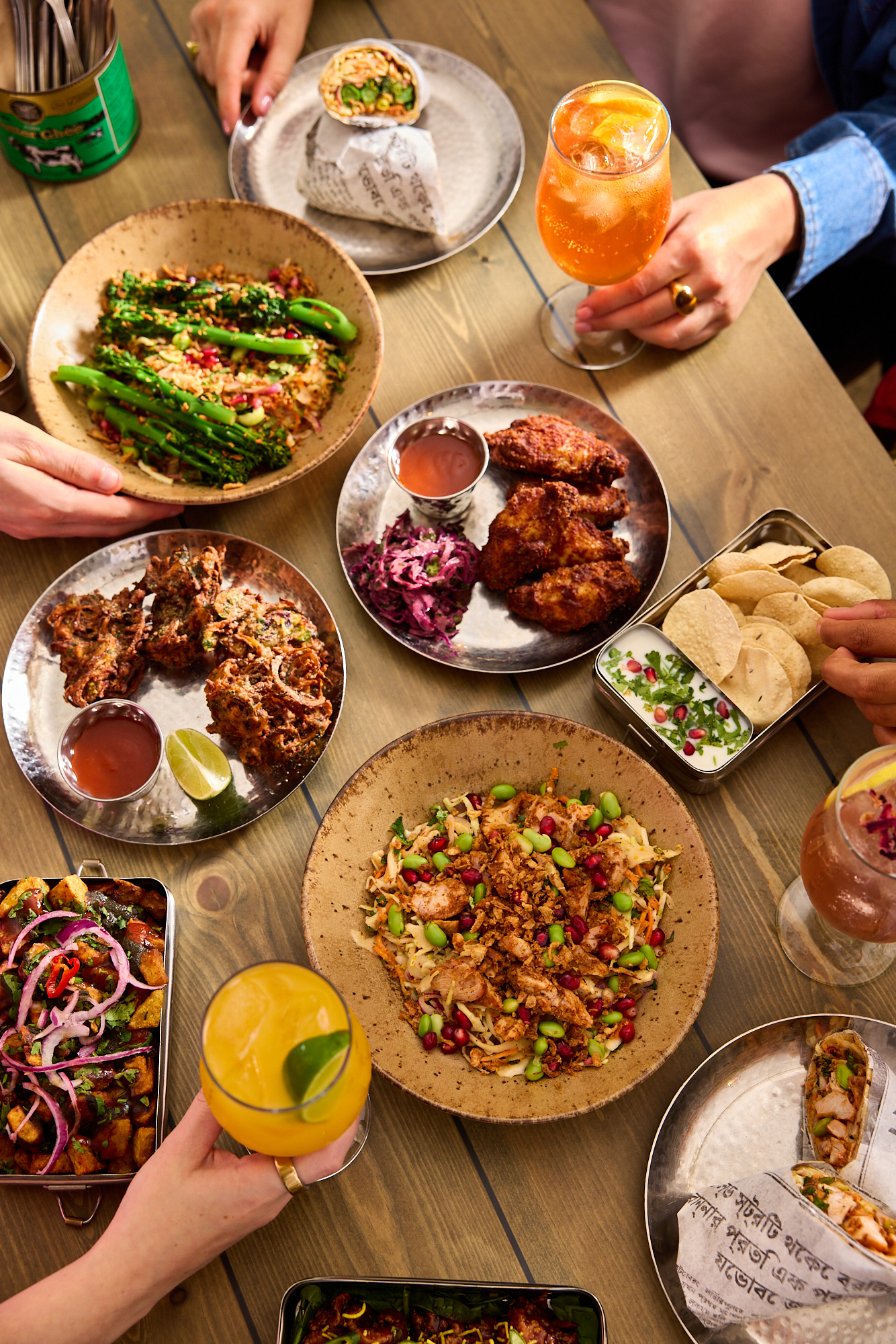
What’s the best way to spice up your cocktail order?
The best way to spice up your cocktail order is to ask for a spirit infused with warming spices like cardamom, ginger, chilli, or black pepper. These ingredients transform a standard drink into something with real depth and heat. Whether you’re at a bar or choosing from a menu, knowing what to look for makes all the difference.
Spiced cocktails have moved well beyond novelty. Bartenders across the UK are now treating spice with the same seriousness as sourness or sweetness, building drinks that are genuinely complex and satisfying. The questions below cover everything from which spices work best to how they pair with Indian food.
What spices work best in cocktails?
The spices that work best in cocktails are cardamom, ginger, chilli, cinnamon, black pepper, and star anise. Each brings a different kind of heat or warmth: cardamom adds a floral, almost sweet depth; ginger delivers a clean, sharp bite; chilli gives a slow-building heat that lingers on the palate. These are the building blocks of most great spiced drinks.
The key is balance. A cocktail built around cardamom, for example, works because the spice enhances the spirit rather than drowning it out. Gin pairs naturally with cardamom and black pepper. Rum takes well to cinnamon and star anise. Tequila and mezcal hold their own against chilli and smoked paprika. The spirit and the spice need to complement each other, not compete.
Turmeric and cumin have also started appearing in more adventurous cocktail menus, particularly in bars that take their food and drink pairings seriously. These earthy spices work best in small quantities, often balanced with citrus or honey to stop them from tasting like a cooking experiment rather than a considered drink.
How do bartenders infuse spirits with spice?
Bartenders infuse spirits with spice by steeping whole or cracked spices directly in the base spirit for a set period, typically between a few hours and several days. The longer the infusion, the more intense the flavour. Cold infusions preserve delicate aromatics, while room-temperature infusions draw out bolder, more robust notes.
The most common method is a simple cold steep: spices are added to a bottle or jar of spirit, sealed, and left to infuse. Cardamom pods, cinnamon sticks, and dried chillies are all well-suited to this approach. The bartender tastes regularly and strains the liquid once the flavour reaches the right level. It is a straightforward process, but the timing and ratios require real attention.
Some bartenders use fat-washing, a technique where a fat like butter or coconut oil is infused with spice and then combined with the spirit before being frozen and strained. The fat carries the spice flavour into the liquid and is then removed, leaving behind a smooth, rounded spice note without any greasiness. It sounds unusual, but the results are often remarkable. Other methods include rapid infusion using a whipping siphon, which forces the spirit through the spice under pressure and produces results in minutes rather than hours.
What’s the difference between a spiced cocktail and a flavoured one?
A spiced cocktail uses ingredients that add heat, warmth, or aromatic complexity, such as chilli, ginger, or cardamom. A flavoured cocktail is broader and simply means a drink that has been given a distinct taste profile, whether that’s fruit, herbs, or spice. All spiced cocktails are flavoured, but not all flavoured cocktails are spiced.
The distinction matters in practice. A strawberry daiquiri is a flavoured cocktail. A margarita with chilli salt and fresh jalapeño is a spiced one. The spice element introduces a physical sensation alongside the taste, whether that is warmth, tingling, or heat, which flavoured drinks built around fruit or herbs typically do not deliver.
Spiced cocktails also tend to feel more complex on the palate. The interaction between heat, sweetness, and acidity creates a layered drinking experience that evolves as you work through the glass. A flavoured cocktail can be just as delicious, but it usually delivers its character more immediately and straightforwardly. If you are looking for something with a bit more going on, a properly spiced drink is usually the more interesting choice.
Which cocktail styles pair best with Indian food?
The cocktail styles that pair best with Indian food are those with cooling or citrus-led profiles, such as gin and tonic, mango lassi-inspired cocktails, and light rum drinks with lime. These balance the warmth and richness of Indian dishes without overwhelming the food. Spiced cocktails that mirror the flavours on the plate can also work brilliantly when matched carefully.
The logic behind pairing is straightforward. Rich, slow-cooked dishes like lamb or butter-based curries benefit from something clean and bright alongside them. A well-made gin and tonic with cucumber or a citrus-forward cocktail cuts through the richness and refreshes the palate. Lighter street food dishes, chutneys, and chaats can handle something with a bit more spice in the glass, since the food itself is already vibrant and punchy.
Mango, tamarind, and rose are flavours that appear in both Indian cooking and cocktail making, and drinks that draw on these ingredients tend to sit naturally alongside the food. A tamarind margarita or a rose and cardamom spritz are not gimmicks. They work because the flavour language is shared. If you are heading out to an Indian restaurant near you, it is worth looking at whether the drinks menu has been built with the food in mind.
Can non-alcoholic cocktails be just as spice-forward?
Yes, non-alcoholic cocktails can absolutely be just as spice-forward as their alcoholic counterparts. Spice is carried by water, fat, and acid as effectively as by alcohol, which means a well-made mocktail using ginger, chilli, cardamom, or black pepper can deliver the same heat and complexity as a spirit-based drink. The base simply changes.
Shrubs, which are drinking vinegars infused with fruit and spice, are a strong foundation for non-alcoholic spiced drinks. A ginger and tamarind shrub topped with sparkling water and a squeeze of lime is sharp, warming, and genuinely interesting. Spiced teas, cooled and used as a base, are another option that brings real depth without alcohol. Chilli-infused syrups stirred into citrus juice and soda can produce something with serious heat and balance.
The rise of the no and low movement in the UK has pushed bars to take their alcohol-free options seriously, and spice has been central to that. Without alcohol to carry the flavour, bartenders have had to be more deliberate about layering taste and texture. The result is often a more considered drink. If you are not drinking, asking for something spiced rather than something sweet is usually the more rewarding choice.
How Mowgli helps you find drinks and food worth seeking out
If you are looking for fun restaurants near you where the drinks are built to work alongside the food, Mowgli is worth knowing about. The menu has been designed around the real flavours of Indian home cooking, and the drinks list reflects the same thinking. Here is what makes it worth a visit:
- Fresh, bold Indian street food dishes served from morning in every restaurant
- Drinks that complement the food, from cooling options alongside richer curries to spiced choices that echo the flavours on the plate
- A lively, social atmosphere that suits groups, friends, and family
- Full vegan and gluten-friendly options across the menu
- Locations across the UK in cities including Manchester, London, Edinburgh, Bristol, Leeds, and more
- Event and group dining options available, including full venue hire and private dining rooms
If you are after cool restaurants near you that take both food and drinks seriously, find your nearest Mowgli and book a table.