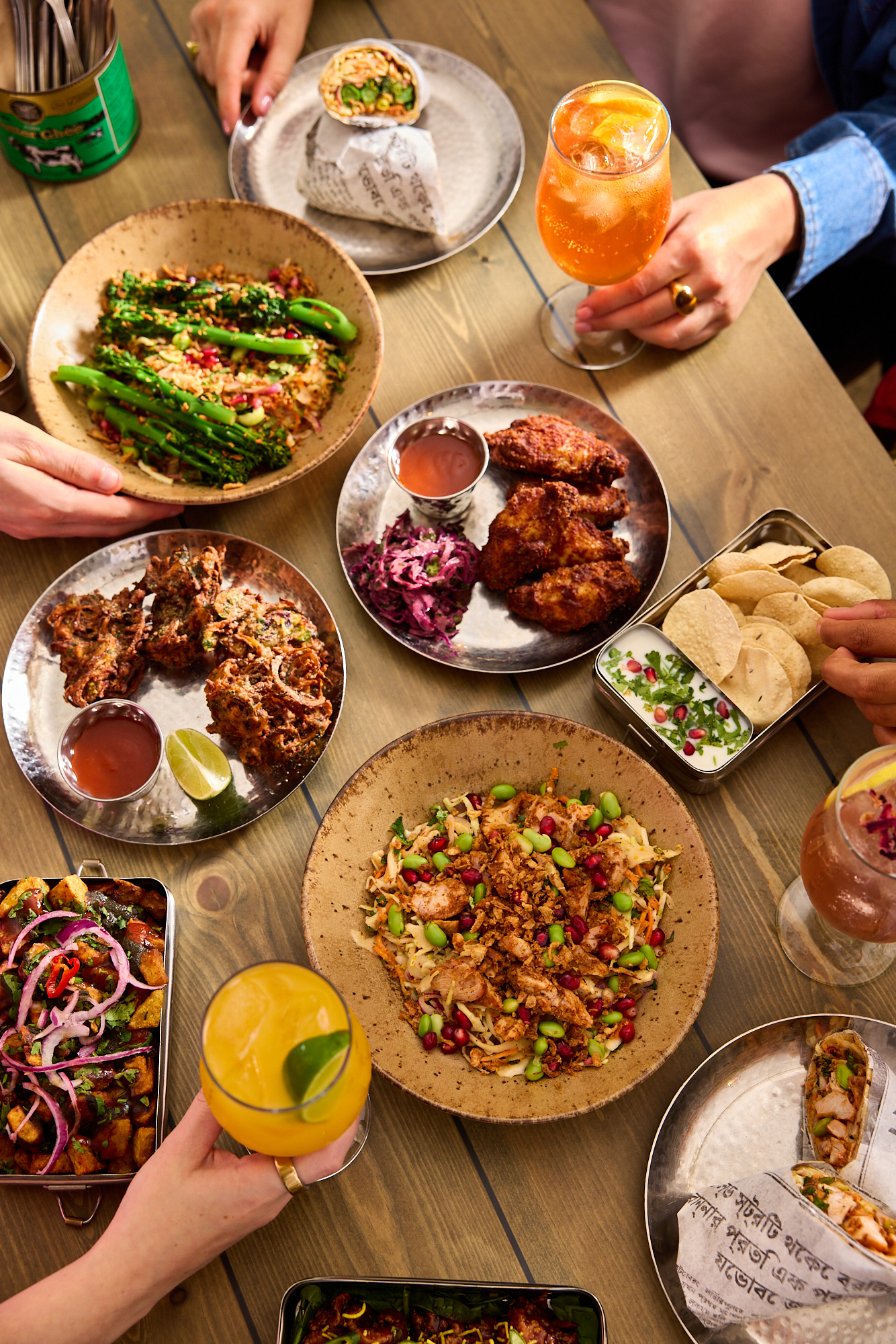
Indian-inspired drinks are having a real moment in 2026. Spiced syrups, tamarind sodas, cardamom-laced cocktails, and turmeric-forward tonics have moved from niche curiosity to genuine menu staples across the UK’s casual dining scene. The shift reflects a broader appetite for bolder, more interesting flavours that match the food on the plate. Below, we answer the questions people are asking most about this growing trend.
Which Indian-inspired flavours are leading drinks menus in 2026?
The flavours leading Indian-inspired drinks menus in 2026 are cardamom, tamarind, rose, turmeric, and chaat masala. These ingredients have crossed from the kitchen into the glass, appearing in everything from craft cocktails to sparkling sodas. They work because they carry genuine depth: sweet, sour, floral, and warming all at once.
Cardamom continues to be the standout ingredient. Its warm, slightly citrusy character pairs naturally with gin and whisky, and it lifts simple sparkling water into something worth ordering. Tamarind brings a sharp, fruity sourness that works brilliantly in both alcoholic and alcohol-free drinks, often balanced with jaggery or a pinch of black salt. Rose water, long used in Indian desserts, has found its place in cocktail syrups and mocktail bases, adding a delicate floral note without tipping into sweetness.
Turmeric has moved beyond the wellness trend and into genuine flavour territory, pairing well with citrus and ginger in both hot and cold formats. Chaat masala, that sharp, tangy spice blend used across Indian street food, is appearing as a rim seasoning and a finishing sprinkle on drinks, adding a savoury edge that makes a drink genuinely interesting rather than just sweet.
What are the most popular Indian-inspired cocktails right now?
The most popular Indian-inspired cocktails right now include cardamom gin sours, tamarind margaritas, mango lassi-style cocktails, and spiced rum punches with warming masala notes. These drinks share a common thread: they use Indian pantry ingredients to add complexity rather than novelty.
The cardamom gin sour has become a reliable crowd-pleaser. Freshly cracked cardamom pods steeped in gin, balanced with lemon juice and a light sugar syrup, produce a drink that is bright and aromatic without being overpowering. The tamarind margarita swaps out lime for tamarind concentrate, giving the classic tequila drink a deeper, more layered sourness.
Mango lassi-inspired cocktails — using mango, yoghurt or coconut cream, and a spirit like rum or vodka — have grown in popularity because they feel familiar and indulgent at the same time. Spiced rum punches built around warming spices like cinnamon, clove, and star anise sit naturally alongside Indian street food, echoing the same flavour profiles found in the food itself.
How do Indian street food drinks translate to a restaurant menu?
Indian street food drinks translate to a restaurant menu by adapting traditional recipes — like jaljeera, nimbu pani, and thandai — into formats that work at scale, pair naturally with food, and appeal to a broad range of guests. The key is keeping the flavour honest while making the drink accessible.
Jaljeera, a cumin and mint-based water drink sold across India, translates beautifully into a sparkling soft drink or a long cocktail base. Nimbu pani — essentially Indian lemonade, made with fresh lime, salt, and sometimes chaat masala — is one of the most natural fits for a UK restaurant menu. It is simple to prepare, genuinely refreshing, and pairs well with spiced dishes.
Thandai, a milk-based drink made with almonds, fennel, rose, and warming spices, is richer and suits a dessert pairing or a late-evening drink. On a restaurant menu, these drinks work best when they are described plainly and honestly rather than dressed up in marketing language. Guests respond to specificity — knowing that a drink uses black salt or fresh curry leaf tells them something real about what they are ordering.
For anyone looking for Indian food near them, the drinks menu is increasingly part of the decision. A well-considered drinks list signals that the kitchen takes the whole experience seriously.
What’s driving the rise of Indian-inspired non-alcoholic drinks?
The rise of Indian-inspired non-alcoholic drinks is driven by growing demand for interesting, flavour-forward options that go beyond standard soft drinks, combined with the natural richness of Indian culinary tradition, which has always included a wide range of complex, spiced beverages designed to complement food.
Indian food culture has centuries of non-alcoholic drinks built into it. Lassi, chaas (spiced buttermilk), sharbat (fruit and flower syrups), and masala chai all exist because they were designed to work alongside food — cooling the palate, aiding digestion, and adding another layer of flavour to a meal. That functional heritage translates well to a modern drinks menu.
At the same time, more diners are actively seeking out alcohol-free options that feel genuinely considered rather than an afterthought. A sparkling tamarind soda with black salt or a chilled rose and cardamom drink offers something that a standard lemonade simply cannot. These drinks are also naturally suited to health-conscious diners who want bold flavour without compromise — exactly the kind of guest who gravitates toward Indian street food in the first place.
The 600-calorie Lite Tiffin at Mowgli is a good example of how this thinking extends beyond drinks. When the food is built around lightness and freshness, the drinks menu benefits from following the same logic.
Should Indian restaurants offer a dedicated drinks pairing menu?
Yes, Indian restaurants benefit from offering a dedicated drinks pairing menu because the spice profiles and layered flavours of Indian food create genuine pairing opportunities that a standard drinks list does not communicate. A pairing menu helps guests make better choices and makes the overall experience more cohesive.
Indian food spans a wide range of heat levels, textures, and flavour intensities. A slow-cooked lamb dish with deep, savoury notes calls for a different drink than a bright, tangy chaat. Giving guests guidance on those pairings — whether through a printed menu, staff recommendations, or a short list of suggested matches — adds real value to the meal.
A pairing menu does not need to be elaborate. Even a short list of four or five suggested combinations, covering both alcoholic and non-alcoholic options, gives guests something to engage with. The language matters too — describing a drink as “cooling and citrus-bright, good with anything spiced” is more useful than a generic tasting note.
For group dining in particular, a pairing menu makes ordering easier and more social. When a table is sharing plates, having a shared drinks framework to work from creates a more connected experience. If you are looking for group dining options, a restaurant that has thought carefully about its drinks list is usually one that has thought carefully about everything else too.
How Mowgli approaches Indian-inspired drinks
Mowgli Street Food brings the same philosophy to its drinks as it does to its food — keeping things honest, flavourful, and genuinely Indian in spirit rather than in name only. Here is what that looks like in practice:
- Drinks are chosen to complement the street food menu, not compete with it
- Non-alcoholic options are treated with the same care as the cocktail list
- Flavours reflect real Indian culinary tradition — tamarind, cardamom, rose, and spice blends that actually appear in the kitchen
- The drinks menu suits shared dining, with options that work across a table rather than just for one person
- Full venue hire, semi-private hire, and private dining rooms are available for events where the drinks experience is part of a larger occasion
If you want to try Indian-inspired drinks alongside fresh, boldly flavoured street food, find your nearest Mowgli restaurant and swing by.