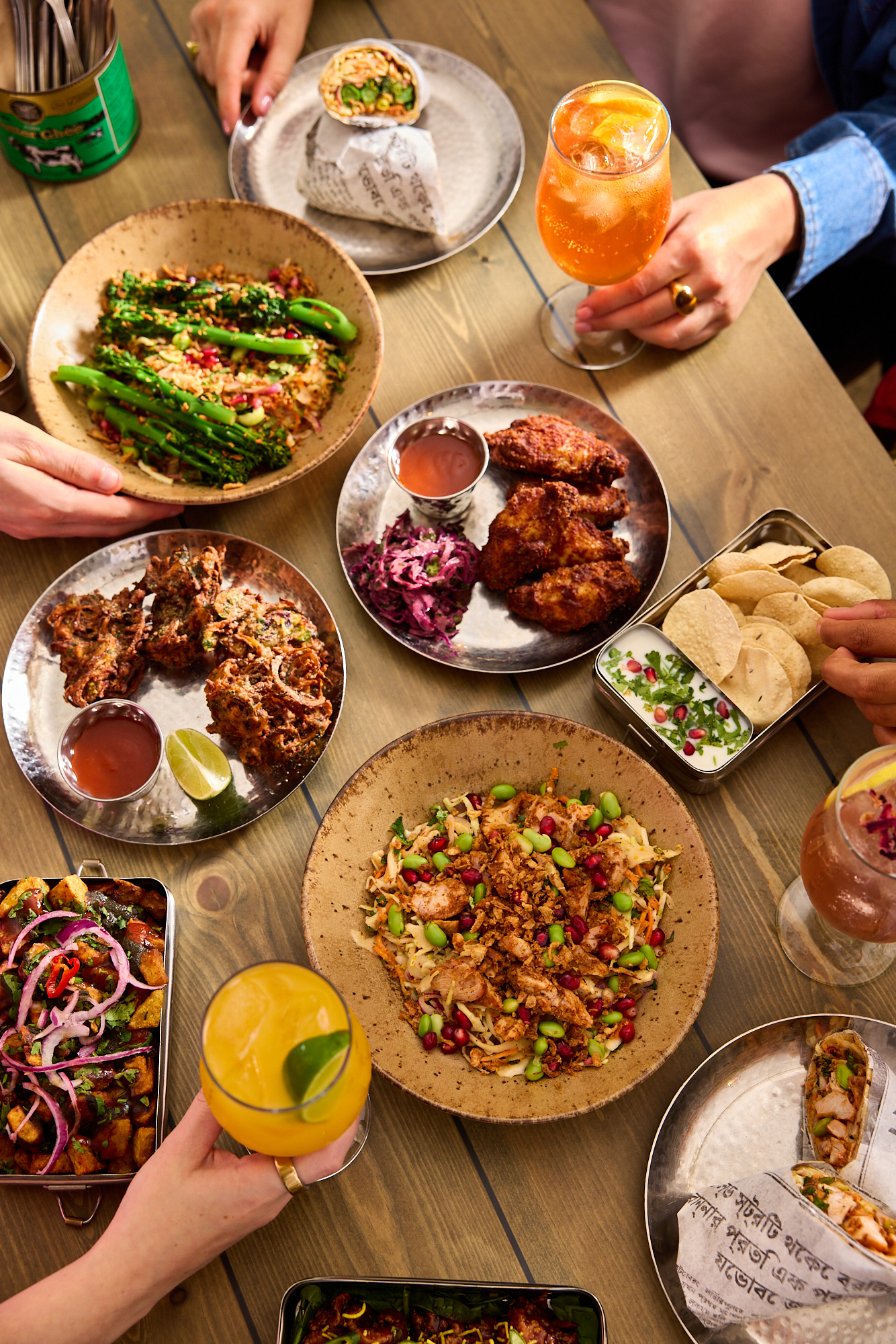
Why is Indian dining becoming the go-to for younger diners?
Indian dining is becoming the go-to for younger diners because it genuinely reflects how this generation wants to eat: fresh, flavourful, shareable, and honest about what goes into the food. Younger people in the UK are moving away from heavy, cream-laden dishes and toward lighter, more vibrant cooking rooted in real culinary tradition. The questions below unpack exactly why Indian food, and Indian street food in particular, has become such a natural fit for the way a new generation dines out.
What has changed about how younger people choose restaurants?
Younger diners, broadly those aged 25 to 45, now choose restaurants based on a combination of food quality, values, atmosphere, and social experience rather than prestige or formality alone. The old markers of a good night out, white tablecloths and long menus, have given way to something more instinctive: does the food feel real, does the place feel alive, and does it reflect something the diner actually believes in?
This shift has been building for years and is now firmly embedded in how urban diners make decisions. When searching for fun restaurants near me or cool restaurants near me, younger people are not just looking for somewhere to eat. They want somewhere that fits their lifestyle. Health, ethics, sharing culture, and a genuine sense of place all factor into the choice before a single dish is ordered.
Social media has accelerated this. Dishes that are visually striking, built for sharing, and tied to a credible story travel fast. Indian street food, with its vivid colours, aromatic spices, and roots in everyday home cooking, fits that appetite perfectly.
Why does Indian street food appeal to health-conscious diners?
Indian street food appeals to health-conscious diners because so much of it is naturally light, plant-forward, and built around fresh spices rather than heavy sauces. Dishes like spiced lentils, chickpea-based curries, and yoghurt-dressed chaats deliver real depth of flavour without relying on butter or cream as the primary building blocks.
This is a meaningful distinction. Traditional Anglo-Indian restaurant cooking, shaped by decades of British taste preferences, leaned heavily on rich, mild sauces. Authentic Indian home cooking and street food are a different thing entirely: bright, often vegan, and packed with ingredients that happen to be good for you without making a performance of it.
Younger diners who are conscious about what they eat do not want to feel like they are compromising. Indian street food removes that compromise. A meal built around red lentils simmered with toasted cumin and coriander, or slow-cooked lamb with chickpeas, is genuinely nourishing. The flavour does the work, not the fat content.
How is Indian street food different from traditional curry-house food?
Indian street food is fundamentally different from traditional curry-house food in its origins, ingredients, and intention. Curry-house cooking developed in the UK as an adaptation of Indian flavours to British palates, resulting in dishes that are often rich, mild, and sauce-heavy. Street food and home cooking from India are lighter, more varied, and far closer to how people actually eat on the subcontinent.
The difference shows up on the plate immediately. Street food dishes tend to be smaller, sharper, and more layered in flavour. Chaat, for example, combines textures and temperatures in a single serving: crisp, soft, tangy, and spiced all at once. That is a world away from a bowl of tikka masala, however well made.
It also shows up in the cooking process. Dishes prepared fresh each morning from scratch, using whole spices and real ingredients, produce a result that is noticeably different from food built on pre-made sauces. The freshness is something you can taste, and for younger diners who have grown up with access to global food culture, that difference matters.
What role does sharing culture play in Indian dining’s popularity?
Sharing culture is central to why Indian dining resonates so strongly with younger diners. In the true Indian tradition, food is not ordered individually and eaten in silence. It is placed in the middle of the table, passed around, and talked about. That communal approach maps perfectly onto how younger people socialise.
When a group of friends or colleagues searches for group dining near me, they are not just looking for a table big enough to fit everyone. They want an experience that encourages interaction. Indian street food, served in small plates and designed to be shared, makes that happen naturally. Nobody is waiting for their own dish while everyone else has already started.
There is also something generous about the format. Ordering a spread of dishes and sharing them means everyone gets to try more, and the conversation tends to follow the food. That energy, lively and social rather than hushed and formal, is exactly what a younger dining crowd is drawn to.
Which Indian dishes are most popular with younger UK diners?
Among younger UK diners, the most popular Indian dishes tend to be those that are bold in flavour, easy to share, and rooted in something that feels genuinely cooked rather than assembled. Slow-cooked lentil dishes, tandoori-spiced wraps, street chaats, and heirloom curries with a clear story behind them consistently draw strong interest.
Dishes like black lentils simmered low and slow with aromatic spices, or tandoori chicken simmered in a spiced tomato and yoghurt sauce finished with butter, have become firm favourites because they deliver comfort without heaviness. Slow-cooked lamb that falls apart, prepared with onion, plum, and chickpeas in the style of an old family recipe, appeals to diners who want food with history and care behind it.
Street chaat remains a particular draw. The combination of textures, the freshness, and the sheer variety within a single plate make it ideal for curious diners who want to explore rather than settle for the familiar. For anyone searching for drinks and food near me with something a bit different in mind, a chaat plate alongside a good drink is a hard combination to beat.
Does eating at Indian restaurants align with ethical dining values?
Eating at Indian restaurants, particularly those rooted in genuine home cooking traditions, aligns well with ethical dining values because the cuisine is naturally plant-rich, low in waste, and tied to a culture of feeding people well without excess. Many of the most beloved Indian dishes are vegan or vegetarian by default, not by compromise.
Beyond the food itself, younger diners increasingly look at the values of the businesses they support. They want to know that the people cooking and serving the food are treated well, and that the restaurant gives something back to the communities it operates in. These are not abstract concerns. They are part of how this generation defines a good meal.
The appetite for ethical dining is not a passing trend. It reflects a genuine shift in what younger people expect from the brands and businesses they spend money with. An Indian restaurant that sources well, treats its team with respect, and contributes meaningfully to its local area is not just a good place to eat. It is a place worth returning to.
How Mowgli helps younger diners find their kind of restaurant
Mowgli Street Food was built around exactly the values and appetites this article describes. If you are looking for an Indian restaurant near me that serves food cooked fresh each morning, with a menu that is genuinely plant-forward, shareable by design, and rooted in real Indian home cooking, Mowgli is worth a visit. Here is what sets it apart:
- Dishes prepared fresh daily from whole spices and real ingredients, not pre-made sauces
- A menu built for sharing, from street chaats to slow-cooked heirloom curries
- Full vegan and gluten-friendly options as a natural part of the menu, not an afterthought
- A lively, social atmosphere with swing seats and a genuine sense of place
- A commitment to giving back, with £1 from every meal going to a local charity chosen by each restaurant’s team
- Private and semi-private event hire options for groups who want something a little more special
With locations across the UK from Edinburgh and Glasgow to London, Bristol, and beyond, finding a Mowgli near you is straightforward. Find your nearest Mowgli restaurant and swing by.