How do you choose between casual dining and fine dining in the UK?
Choosing between casual dining and fine dining in the UK comes down to three things: the occasion, the budget, and the kind of experience you actually want. Casual dining suits most everyday outings, from catch-ups with friends to family meals, while fine dining is typically reserved for moments that call for something more formal or celebratory. The questions below break down the key differences, costs, and considerations so you can make the right call every time.
What actually separates casual dining from fine dining?
The clearest difference between casual dining and fine dining is the level of formality, service, and price. Casual dining restaurants are relaxed, often lively, and built around accessible menus and shared experiences. Fine dining restaurants offer multi-course menus, highly trained front-of-house teams, and a more structured, quieter atmosphere designed to feel special and unhurried.
In practice, the gap shows up in several ways. Fine dining kitchens often focus on technical precision, smaller portions presented with artistic intent, and ingredients sourced for rarity or prestige. Casual dining puts the emphasis on flavour, freshness, and value, with menus that encourage people to order freely rather than follow a prescribed sequence of courses.
Service style is another telling marker. Fine dining typically involves formal table service with detailed explanations of each dish, wine pairings, and attentive but unobtrusive staff. Casual dining tends to be warmer, more spontaneous, and less choreographed. You are more likely to hear laughter, share plates across the table, and leave feeling energised rather than quietly satisfied.
Neither is better in any absolute sense. They serve genuinely different purposes, and most people move between both depending on the day.
How much more expensive is fine dining compared to casual dining in the UK?
Fine dining in the UK typically costs between £80 and £250 or more per person once food, wine, and service are included. Casual dining, by contrast, usually lands between £15 and £45 per head for a full meal with drinks. That means fine dining can cost anywhere from two to ten times as much as a casual meal out, depending on the restaurant and location.
The price difference reflects several real factors. Fine dining restaurants invest heavily in highly skilled chefs, premium ingredients, and elaborate kitchen preparation. Front-of-house teams are larger relative to covers, and the overall experience is designed to take up a full evening rather than an hour or two.
Casual dining restaurants keep costs lower through simpler service models, menus built around dishes that can be prepared efficiently without sacrificing quality, and a faster pace of service that allows tables to turn more naturally. That does not mean the food is less considered. Many of the best casual restaurants in the UK are putting serious thought into sourcing, seasoning, and freshness, often at a fraction of the price of a tasting menu.
For most dining occasions, the casual end of the market delivers exceptional value without asking you to plan months ahead or dress for the occasion.
What occasions call for fine dining over casual dining?
Fine dining tends to suit occasions where the meal itself is the centrepiece of the evening: milestone anniversaries, marriage proposals, landmark birthdays, or business dinners where the setting needs to convey seriousness and care. These are moments where guests expect the experience to feel considered from start to finish, and where the cost is part of the gesture.
That said, the line has blurred considerably in recent years. Many people now mark important occasions at casual restaurants they genuinely love, because the food and atmosphere feel more personal than a formal dining room. A graduation dinner with family, a birthday gathering with close friends, or a first date in a lively city-centre restaurant can all feel just as special as a white-tablecloth evening, sometimes more so.
The honest question to ask is whether the occasion calls for quiet formality or shared energy. If the goal is to create a memory around the food and the company rather than the setting alone, casual dining often delivers that more naturally. If the occasion is about marking something in a way that feels deliberately elevated and unhurried, fine dining earns its place.
Is casual dining in the UK as good as fine dining for food quality?
For many cuisines and dining styles, yes. The quality gap between casual and fine dining in the UK has narrowed significantly over the past decade. A growing number of casual restaurants cook with serious intent, using fresh ingredients prepared daily, drawing on deep culinary traditions, and producing dishes that are genuinely difficult to improve upon regardless of the price point.
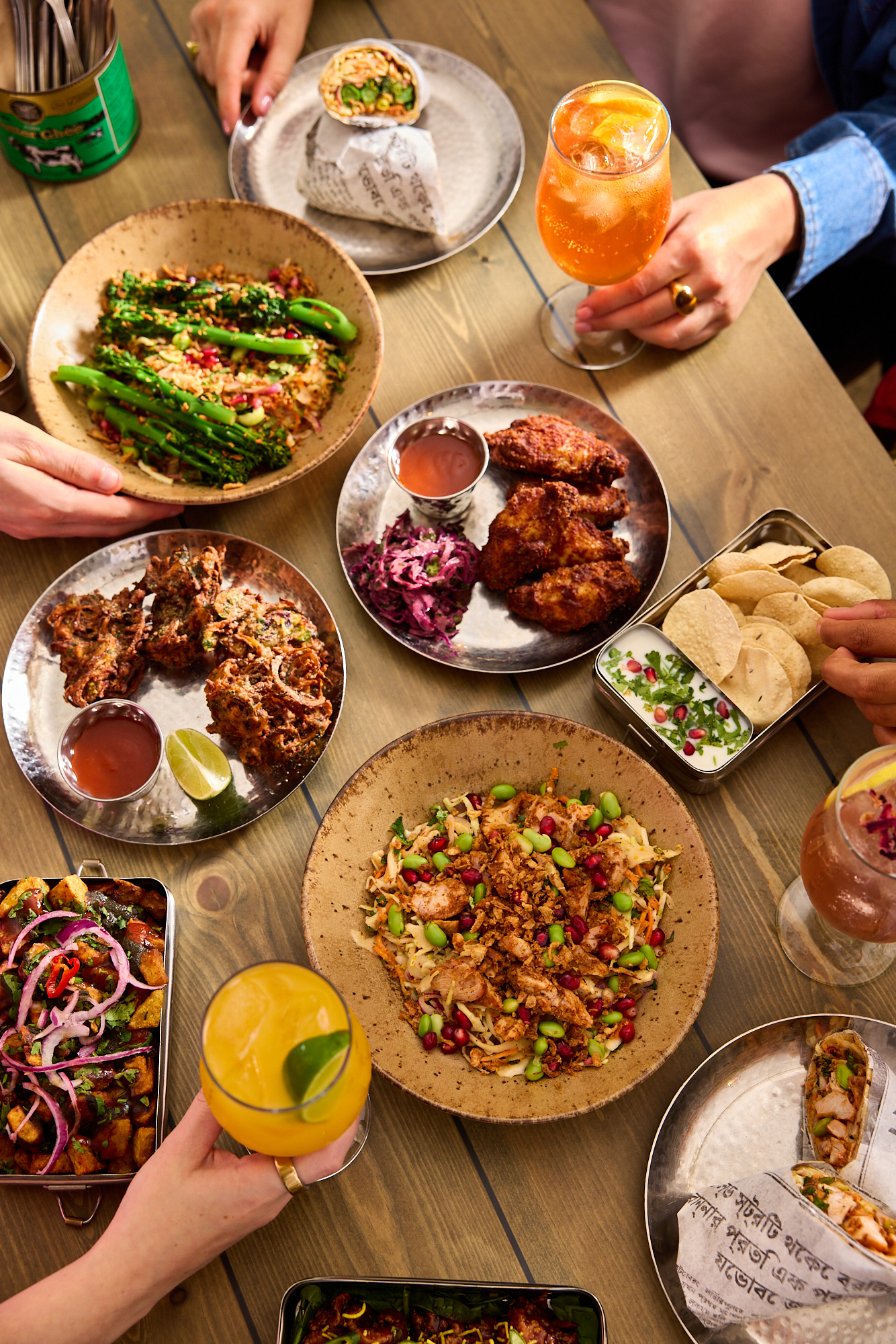
Indian street food is a strong example. The food eaten daily across India, from roadside chaat to slow-cooked family dals, is not simplified or compromised. It is the real thing, cooked with skill and eaten with joy. Restaurants that bring that tradition to the UK with honesty and care can offer food that is nutritionally rich, technically accomplished, and deeply flavourful without any of the formality or cost of fine dining.
What fine dining does offer is a particular kind of technical showmanship: dishes that require days of preparation, rare ingredients, and kitchen techniques that are genuinely hard to replicate. For some people and some meals, that is exactly what they are looking for. But for everyday food quality, freshness, and satisfaction, the best casual restaurants in the UK hold their own comfortably.
How do you choose the right restaurant for a group with different preferences?
The most practical approach is to find a restaurant with a broad, flexible menu that offers something genuinely good for every type of eater at the table. Look for places that cater clearly to vegetarians, vegans, and meat-eaters without treating any of those options as an afterthought, and where the style of sharing or ordering suits the group dynamic.
A few things worth checking before you book:
- Menu range: Does the restaurant offer enough variety that everyone can find two or three things they genuinely want, not just one safe option?
- Dietary labelling: Are vegan, gluten-friendly, and allergen options clearly marked, or do you need to interrogate the staff to find out?
- Sharing format: For groups, a sharing-plate format often works better than individual mains, because it removes the pressure of committing to one dish and lets people try more.
- Noise level: A lively, buzzing room is great for some groups and difficult for others. Think about whether your group wants to hear each other easily or does not mind a bit of noise.
- Booking flexibility: Larger groups often need to book ahead, and some restaurants handle group bookings better than others.
Indian street food restaurants tend to work particularly well for mixed groups because the cuisine is naturally varied, the sharing format is built in, and the vegan and vegetarian options are often the most interesting things on the menu rather than the fallback choice.
Which UK cities have the best casual dining scenes?
Manchester, London, Edinburgh, Birmingham, Bristol, and Leeds consistently stand out as the UK’s strongest cities for casual dining. Each has a dense concentration of independent and small-chain restaurants offering food from around the world, at prices that make it possible to eat out regularly without it feeling like a treat reserved for special occasions.
Manchester has built a particularly strong reputation for vibrant, diverse casual dining experiences, with Ancoats and the Northern Quarter drawing serious food lovers alongside the city centre. London’s sheer scale means almost every cuisine is represented at every price point, though the best casual dining tends to cluster in neighbourhoods rather than tourist corridors. Edinburgh’s compact city centre makes it easy to find excellent food within a short walk, and the dining scene has grown sharply in quality over recent years.
Birmingham, Bristol, Leeds, Newcastle, Liverpool, Nottingham, and Glasgow all have thriving casual dining cultures worth exploring. Cities like these have moved well beyond the idea that good food requires a formal setting or a large budget. If you are looking for an Indian restaurant in Manchester, an Indian restaurant in Edinburgh, an Indian restaurant in Glasgow, or anywhere else across these cities, the options have never been better.
How Mowgli helps you find the right dining experience
If you want the energy and flavour of casual dining without any compromise on food quality, Mowgli Street Food is worth knowing about. Here is what makes it a practical answer to the question of where to eat:
- Fresh food, cooked daily: Every dish is made fresh each morning in each restaurant, from slow-simmered dals to tandoori wraps and street chaat.
- Genuinely inclusive menus: Vegan, gluten-friendly, and meat options are all treated with equal care, making it easy to bring a group with different preferences.
- Sharing plates built in: The menu is designed for sharing in the true Indian tradition, which suits groups of all sizes.
- Locations across the UK: With restaurants in Manchester, London, Birmingham, Edinburgh, Glasgow, Leeds, Liverpool, Bristol, Nottingham, Newcastle, and more, there is likely a Mowgli close to where you are.
- Event and group dining: Mowgli offers full venue hire, semi-private hire, and private dining rooms for larger occasions. You can find out more and submit an enquiry through the events page.
Find your nearest restaurant and book a table at Mowgli to see what real Indian street food tastes like.
Related Articles
- What makes modern Indian dining more exciting than a traditional curry night?
- What's the best Indian dish to order after a night out?
- How do you find Indian restaurants with a buzzing atmosphere?
- How does London's food scene compare to other UK cities?
- The Leeds Food Scene: Markets, Food Halls and Where to Eat