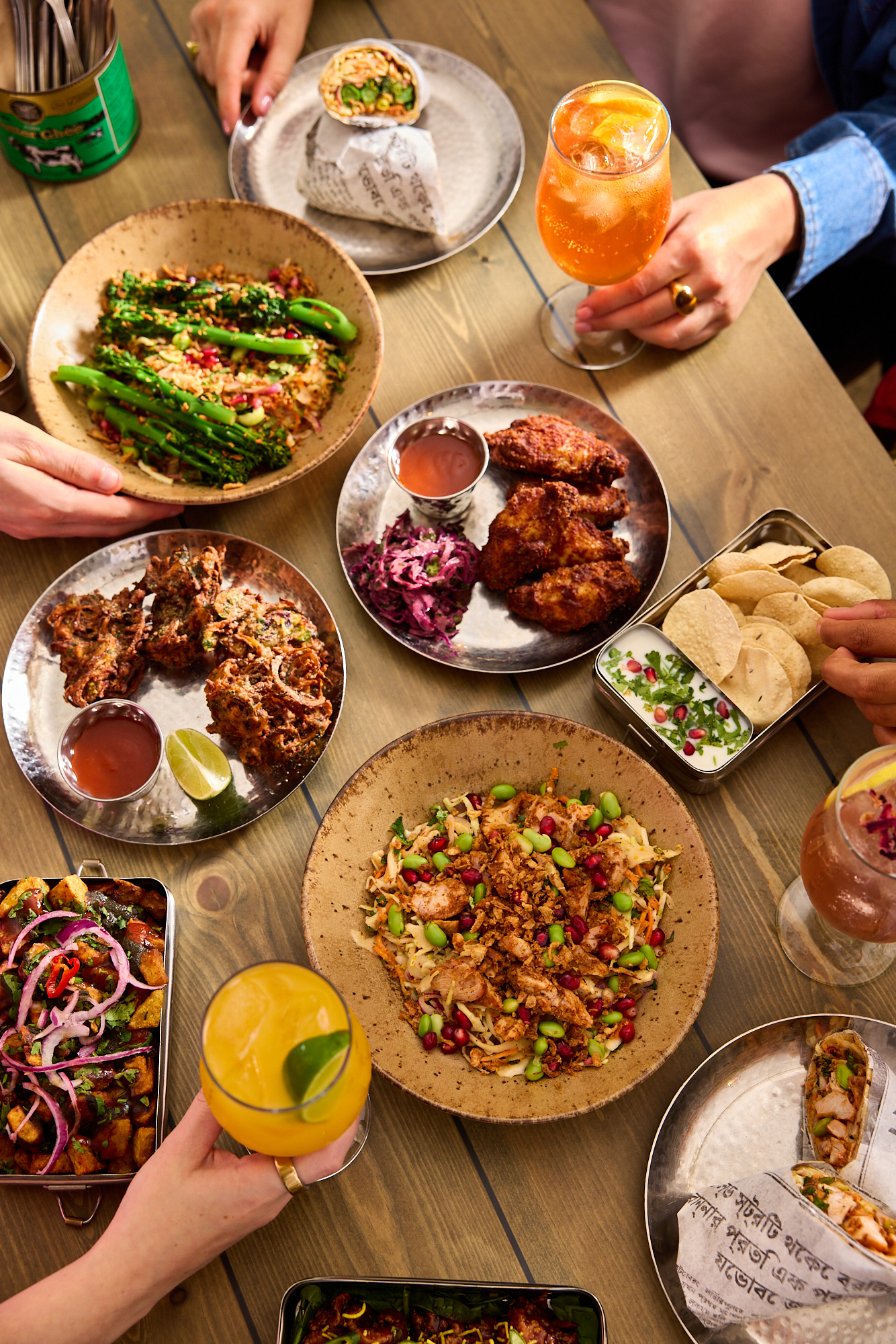
What makes Indian dining perfect for a lively night out?
Indian dining is one of the best choices for a lively night out because it is built around sharing, bold flavours, and a social atmosphere that naturally brings people together. The combination of varied dishes, inclusive menus, and vibrant restaurant settings makes it a format that suits groups of all kinds. Here is a closer look at what makes Indian food such a natural fit for evenings out with friends, family, or colleagues.
Why do sharing plates make Indian meals more sociable?
Sharing plates make Indian meals more sociable because the food is designed from the ground up to be eaten communally. Rather than each person ordering one dish and eating in isolation, sharing means the whole table gets involved, tasting, passing, and talking about what they are eating. That back-and-forth creates a natural energy that a solo plate simply cannot replicate.
In Indian home cooking and street food culture, eating together is not a trend or a restaurant gimmick. It is just how food works. Dishes arrive in waves, people reach across the table, and conversation flows around the food rather than stopping for it. A meal becomes an event in itself, with the plates at the centre of it.
For a group night out, this matters a lot. Sharing removes the awkward formality of everyone staring at their own plate. It gives people something to talk about, something to bond over, and a reason to linger a little longer. The food does a lot of the social work for you.
What types of Indian dishes are best for group dining?
The best Indian dishes for group dining are those that work well in the middle of the table, offering variety and contrast so that different tastes are covered. Think slow-cooked curries, lentil-based dishes, chaat, tandoori options, and fresh chutneys that add brightness to everything else on the table.
A good spread for a group might include something rich and slow-cooked alongside something lighter and fresher. A dish like Mowgli House Lamb, slow-simmered with onion, plum, and chickpeas until it falls apart, sits beautifully next to something like Temple Dahl, made from red lentils simmered until tender and finished with toasted cumin, coriander, and lemon. One is deep and warming, the other is clean and bright. Together, they give everyone something to enjoy.
Street chaat dishes work especially well for groups because they are small, punchy, and designed to be eaten quickly. They keep the energy up between bigger dishes and give people something to graze on while the conversation is flowing. Tandoori wraps and wings add a more relaxed, hands-on element that suits a lively table well.
How does Indian street food culture translate to a night out?
Indian street food culture translates naturally to a night out because it is fast, informal, and full of life. Street food in India has always been about quick flavour, social eating, and a sense of occasion without the stuffiness of a formal dining room. That energy carries directly into a restaurant setting when the food and atmosphere honour those roots.
Street food is not about sitting quietly and waiting. It is about the smash-and-grab zing of fresh herbs and spices, dishes arriving with energy, and eating in a way that feels alive. When a restaurant captures that spirit, it becomes a genuinely fun place to spend an evening rather than just a place to have dinner.
The informality is a big part of what makes it work for a night out. There is no rigid order to things, no expectation of three courses in sequence. Dishes come, people share, more things arrive. It keeps the table active and gives the evening a natural momentum that a more structured dining format often lacks.
Is Indian food a good option for mixed dietary groups?
Yes, Indian food is one of the most accommodating cuisines for mixed dietary groups. A well-composed Indian menu will typically include a strong range of vegan, vegetarian, and meat dishes, meaning that groups with very different dietary needs can all eat well from the same spread without anyone having to compromise.
This matters more than it might seem when you are organising a group night out. Finding somewhere that genuinely works for everyone, including those who are vegan, gluten-aware, or simply health-conscious, can be one of the harder parts of planning an evening. Indian cuisine, particularly one rooted in home cooking rather than heavy Anglo-Indian convention, tends to solve that problem naturally.
Dishes built around lentils, spiced vegetables, chickpeas, and fresh chutneys are inherently plant-based and often packed with protein and fibre. They are not afterthoughts on the menu. They are central to the tradition. That means vegan and vegetarian guests are eating the real thing, not a compromise version of it. For health-conscious diners, lighter options and lower-calorie plates sit alongside richer dishes, so everyone can eat in a way that suits them.
What makes Indian restaurant atmospheres well-suited to evenings out?
Indian restaurants tend to be well-suited to evenings out because their design and energy lean into warmth, colour, and a sense of occasion without tipping into formality. The best ones feel lively without being chaotic, and welcoming without being stiff. That balance is hard to get right, but when it works, it creates exactly the kind of setting where a group can relax and enjoy themselves.
Ambient lighting, bold interiors, and a general buzz in the room all contribute to an atmosphere that encourages people to stay rather than eat and leave. The food arriving in waves, the sharing format, and the informality of the service all add to a feeling that the evening has its own rhythm rather than being rushed through a script.
For groups looking for a venue that can also accommodate a private or semi-private event, some Indian restaurants offer dedicated event spaces with ambient lighting and a more intimate feel, while still keeping guests connected to the wider atmosphere of the room. That flexibility makes Indian restaurants a strong option not just for casual group dinners but for celebrations, work nights out, and everything in between.
How healthy is Indian food for a night out compared to other cuisines?
Indian food, particularly street food and home-style cooking, is generally one of the healthier options for a night out compared to many other cuisines. Dishes built on lentils, spiced vegetables, fresh herbs, and lean proteins tend to be naturally lower in saturated fat and higher in fibre and plant-based nutrition than the heavy, cream-based dishes that dominate some restaurant menus.
The stereotype of Indian food as rich and heavy largely comes from a specific style of Anglo-Indian restaurant cooking that does not reflect the full picture. Authentic Indian home cooking and street food are often extremely light, vegan, and built around fresh, whole ingredients. Real Indian food is not the exception when it comes to health. In many cases, it is the rule.
For groups where some people are watching what they eat, Indian food offers genuine flexibility. Lighter lentil dishes, fresh chaat, and vegetable-forward plates sit alongside richer curries, so there is no pressure to eat in a way that does not suit you. A night out does not have to mean feeling heavy afterwards, and with the right choices from an Indian menu, it usually will not.
How Mowgli helps with group dining and nights out
Mowgli Street Food is built around exactly the kind of dining that makes evenings out feel worth it. Here is what makes it a strong choice for a group:
- A menu of fresh, bold Indian street food dishes designed to be shared, from slow-cooked curries to light lentil dishes and street chaat
- Full vegan and gluten-friendly options, so mixed dietary groups are genuinely catered for without compromise
- Lively, warm restaurant settings across 27 UK locations, from Manchester and Leeds to London, Bristol, and Edinburgh
- Event hire options including full venue hire, semi-private hire, and private dining rooms for occasions that need a little more planning
- £1 from every meal goes to a local charity, so your night out does something good too
Whether you are looking for a casual group dinner or somewhere to host a proper occasion, Mowgli has a location and a format that works. Find your nearest Mowgli restaurant and start planning your night out.