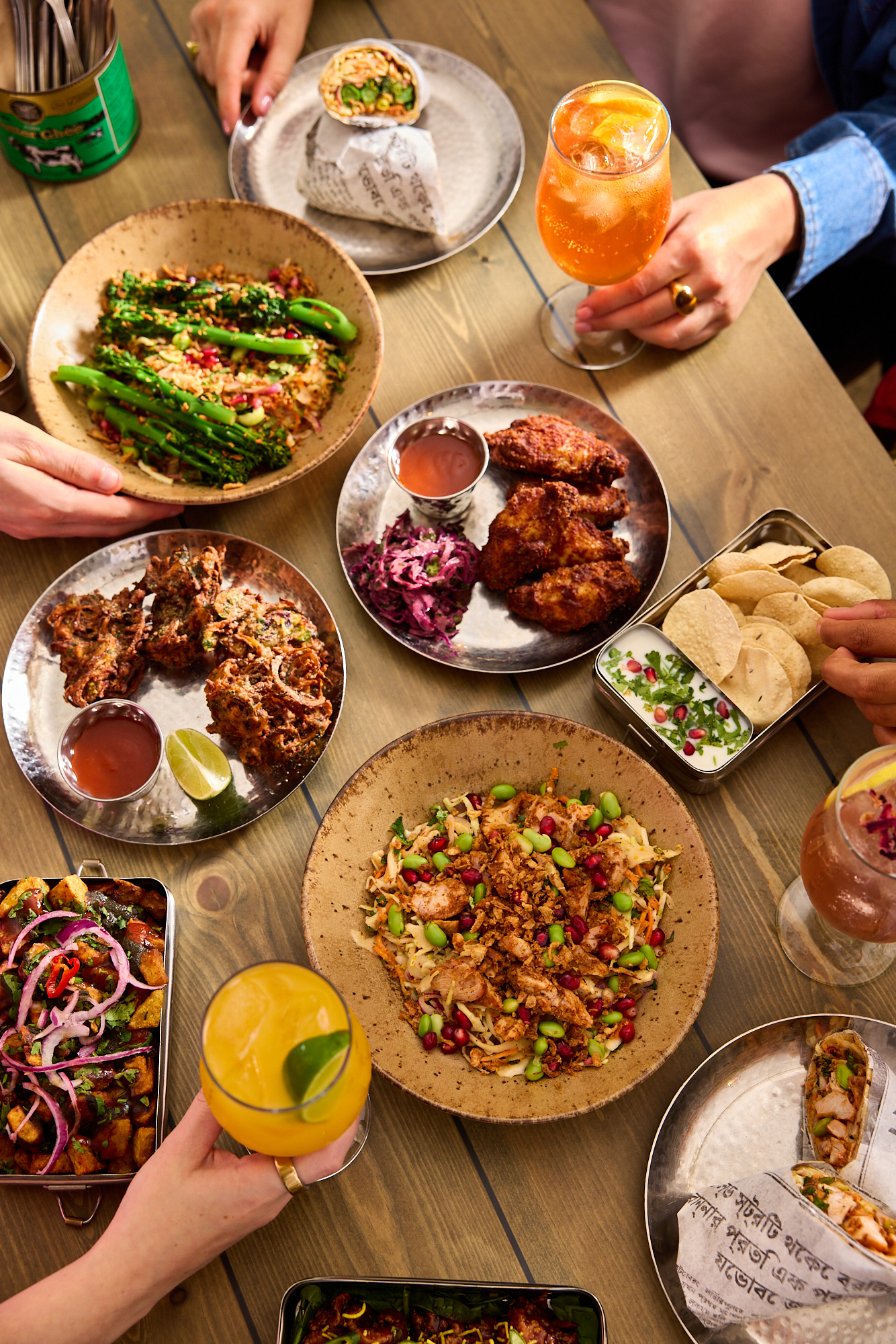
Why shared experiences beat physical gifts this Christmas
A familiar scene plays out in homes across the UK every December. You sit surrounded by torn wrapping paper, empty cardboard boxes, and plastic packaging, staring at a mountain of stuff. There’s a new scarf you might wear once, the novelty socks destined for the back of the drawer, and the scented candle that smells vaguely of artificial cinnamon.
We buy all these things with the best intentions. Gifting is, at its heart, a generous impulse, a desire to show the people in our lives that we value them. But as high streets swell and online delivery trucks work overtime, many of us feel a strange sense of holiday fatigue. We spend weeks stressing over finding the perfect gift (or what we think is the perfect gift), only for most of it to be forgotten by spring.
This year, more than ever, people are stepping away from the physical gifts and choosing a different path. This season, the most cherished gift isn’t wrapped in paper or tied with a bow. It is the gift of time, connection, and shared experiences.
So let’s have a look at why swapping physical presents for shared moments is the best decision you can make this year, and how to plan a festive season that leaves you with lasting memories instead of extra clutter to go through during your next spring clean.
Why physical gifts lose their shine
Why do we enjoy getting physical gifts in the first place? Psychologists call this phenomenon hedonic adaptation. This is our brain’s natural tendency to quickly adjust to new possessions. When you buy or receive a shiny new gadget, a piece of clothing, or a home accessory, you get a quick hit of dopamine, our feel-good hormone.
It feels exciting for a day, maybe even a week. But quickly, that item becomes part of the background scenery of your life. It becomes just another thing you have to dust, store, organise, or eventually throw away.
While they are usually gifted or bought with the best intentions, physical items also carry a few unintended burdens:
- Storage stress: Living spaces are finite, and clutter can raise cortisol levels (the stress hormone).
- Decision fatigue: Searching through endless online gift guides for presents drains your time and energy. Especially if you have a large family.
- Environmental impact: Unwanted gifts, excessive packaging, and festive returns generate a decent chunk of waste every year.
When you look back on your childhood Christmases or holiday seasons from five years ago, what do you actually remember? Can you remember all the little gifts that you got? Or do you instead remember the evening you spent laughing with family, eating delicious food?
Simply put, physical objects wear out, go out of style, and clutter our homes. Experiences, on the other hand, live on in our minds forever.
Why experiences last longer than physical gifts
Now stick with us here, because we are going into a bit more science and psychology. It turns out there are genuine reasons why spending money on experiences makes us happier than spending money on things.
Dr Thomas Gilovich, a psychology professor at Cornell University who has studied the relationship between money and happiness for decades, discovered that experiences yield more long-term satisfaction than material goods.
Why? Because our experiences literally become part of our identity.
Gilovich’s research highlights three key reasons why experiences beat physical presents every time:
1. Anticipation doubles the joy
When you give someone an experience, such as tickets to a show, a weekend day trip, or a planned meal out to their favourite street food restaurant, you give them two distinct moments of joy.
First comes the anticipation leading up to the event. Planning the calendar date, looking forward to the outing, and chatting about what street food dishes you might order brings genuine happiness weeks before the event even happens. Physical gifts don’t really give you that same extended buildup.
2. Experiences build human connection
You rarely form a deeper bond with a friend by standing side by side opening separate boxes of bath bombs. But when you sit down across a table, share a meal, explore a new city street, or walk through a Christmas market together, you interact. Shared experiences bond us to other people in ways that material objects simply can’t replicate.
3. Memories are immune to comparison
Material goods are easy to compare and evaluate. You get a nice watch, but then you see someone with a newer model, and the joy fades slightly. Experiences are unique and subjective. The night you spent catching up with your oldest friends over a table of delicious food can’t be priced, benchmarked, or outmatched by someone else’s night out.
Rethinking the Christmas spirit this year
The modern holiday season often feels like a high-stress sprint to the finish line. Between office secret santas, family gift lists, and last-minute delivery deadlines, it’s easy to lose sight of what Christmas is supposed to be about.
When you choose to gift experiences rather than physical items, you’re essentially changing the feeling of the festive season. Instead of stressing over frantic shopping trips, you can relax and spend quality time with loved ones through shared experiences.
Think about the different generations in your family or friend group:
- For parents and grandparents: They rarely want more stuff to fill their cupboards. What they want is to spend more quality time with their family.
- For busy friends: Adult life makes getting together difficult. Offering to host or organise a catch-up meal is often the most generous thing you can offer someone with a packed schedule.
- For partners: A romantic, atmospheric evening out creates a shared memory in your relationship that physical gifts can’t do on their own.
So this Christmas, why not change the mindset from “what we are buying” to “who we are spending time with”? It’ll save you a lot of stress, make your loved ones happy, and let you build long-lasting memories.
4 easy ways to gift shared experiences this Christmas
If you want to make the switch toward an experience-led Christmas season, you don’t need to overcomplicate things. The best experiences aren’t necessarily expensive or elaborate; they just need to bring people together.
Here are four simple ways to put shared moments at the centre of your festive planning:
1. Get the friends together
Instead of exchanging small token gifts that will get lost in a drawer, agree with your close friends not to get any physical presents. Take the money you would have spent on trinkets and put it into a day or evening out. Pick a night in December or early January, head out into the city, and make a night of it.
2. Gift the promise of a future outing
If you can’t get everyone’s schedules to align during the busy weeks of December, don’t worry. Create a voucher or gift card promising a specific experience in the New Year.
January and February can often feel quiet and dreary after the Christmas rush and New Year’s excitement. So having a planned outing on the horizon gives your loved ones something bright to look forward to after the Christmas tree comes down.
3. Create a custom city itinerary
Combine a few small activities into a full day out. You could pair a walk through an art gallery or a stroll through festive street lanes with a late-afternoon meal at a bustling table.
People will appreciate all the effort you put into designing and planning a relaxed day out or a festive evening adventure.
4. Give the gift of great food
Food is the universal language of celebration. Across every culture on earth, people mark special occasions by coming together around a table. A gift voucher for a fantastic dining experience or an invitation to a shared Christmas feast is one of the most joyful and universally welcomed presents you can give.
Why shared experiences around food are fantastic Christmas gifts
When it comes to picking the right setting for an experience gift, nothing compares to the classic Christmas dining table. There’s just something so special about sharing a meal with loved ones, especially during the festive season.
Unlike a cinema or a theatre show, where you sit in the dark in silence, a great meal is a bit more interactive. It gets people around the table chatting, discussing the different flavours on display, catching up on the year that has just gone by and making plans for the future.
And when you go to a restaurant that offers sharing plates and street food setups, things get even better. You find yourself saying, “You have to try this piece,” or “Here, swap plates with me for a second.” These sort of interactions are exactly what makes an evening memorable.
Long after the plates are cleared, what remains is the feeling of warmth, the lingering taste of brilliant street food, and the memory of a night spent in good company.
Give the gift of Mowgli this Christmas
If you are looking for the perfect setting to create lasting moments this season, Mowgli Street Food was built for exactly that.
Mowgli is all about the raw, energetic, and soul-warming reality of Indian home cooking and street food culture. Stepping into a Mowgli restaurant, you’ll immediately notice the warm fairy lights, with iconic swing seats and an atmosphere that invites you and your loved ones to relax and unwind.
Whether you are gathering your oldest friends for an end-of-year reunion, planning a cosy Christmas date night, or looking for the perfect gift experience, Mowgli offers a space where memories are made naturally across a table full of spice, light, and laughter.
Want to skip the high-street madness and give a gift that won’t end up in the back of a wardrobe?
Treat your friends, family, or colleagues to a Mowgli Gift Voucher or book a table at your nearest Mowgli restaurant today. Give them the warmth of fairy lights, the excitement of Indian street food, and the gift of unforgettable time spent together.
Related Articles
- How do you plan the perfect evening of Indian food and cocktails?
- How late can you still get a proper Indian meal?
- What's the best Indian food to order for a birthday celebration?
- What makes an Indian restaurant feel more like a party than a meal?
- What should you know before dining out in a new UK city?