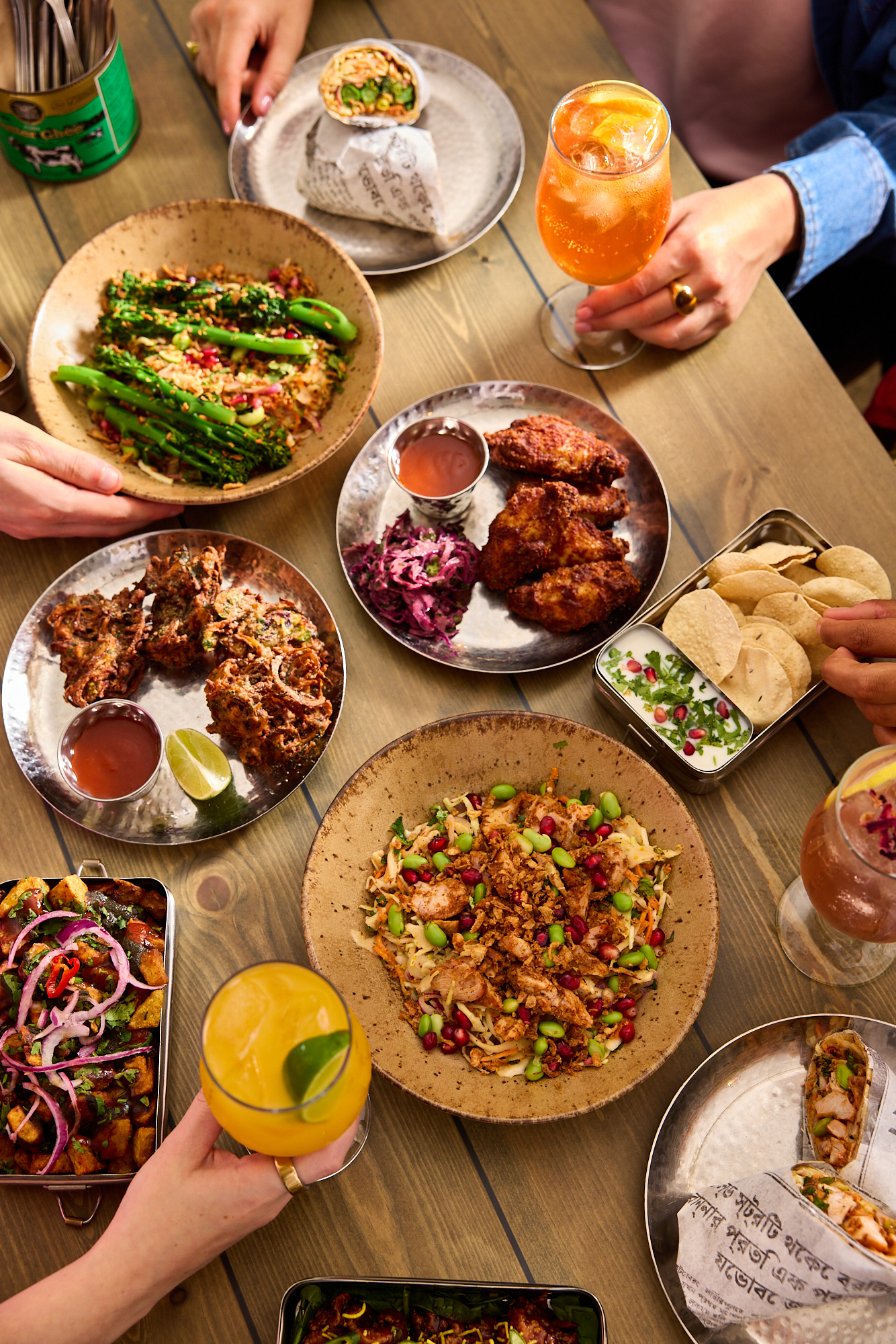
The best Indian-inspired cocktails right now are being served at a growing number of independent bars, casual dining spots, and Indian street food restaurants across the UK. Flavours like cardamom, tamarind, turmeric, and chaat masala are moving from the kitchen into the glass, creating drinks that feel genuinely exciting rather than gimmicky. Here is what you need to know before your next night out.
What makes a cocktail truly Indian-inspired?
A truly Indian-inspired cocktail draws its character from the spices, fruits, and flavour combinations found in Indian cooking and street food culture. It is not about adding a token sprinkle of spice to a standard drink. The best versions are built around ingredients like cardamom, tamarind, rose water, mango, or chaat masala, where the Indian influence shapes the entire flavour profile rather than just the garnish.
What separates a genuine Indian-inspired cocktail from a novelty drink is balance. Indian cooking is defined by layered spicing, where sweet, sour, salty, and heat coexist in the same mouthful. The most successful cocktails replicate that same logic. A tamarind sour, for example, works because the tartness of tamarind mirrors the role of citrus in a classic sour, while the spice adds warmth that lingers pleasantly at the finish.
Authenticity also comes from restraint. Overcrowding a drink with every spice in the rack produces confusion rather than complexity. The cocktails that earn a second order tend to commit to one or two bold Indian flavours and let them breathe.
Which Indian spices work best in cocktails?
The Indian spices that translate most successfully into cocktails are cardamom, tamarind, turmeric, cumin, and chaat masala. Each brings a distinct quality to a drink: cardamom adds floral warmth, tamarind delivers a deep fruity sourness, turmeric contributes earthy bitterness, cumin provides smoky depth, and chaat masala introduces that characteristic tangy, slightly funky edge familiar from street food.
Beyond those five, a few others deserve attention:
- Rose water: Delicate and aromatic, it works particularly well in gin-based drinks and lighter, more floral cocktails.
- Ginger: A natural fit for cocktails given its existing presence in drinks like the Moscow Mule, but Indian ginger preparations tend to be bolder and fresher.
- Saffron: Used sparingly, it adds a subtle honeyed warmth and a striking golden colour to a drink.
- Black pepper: Often underestimated, it adds a dry, peppery heat that lifts rum- and whisky-based cocktails especially well.
The key is understanding how each spice behaves with alcohol. Fat-washing spirits with spiced butter, infusing syrups with whole spices, or using tamarind concentrate as a base all produce cleaner, more integrated results than simply muddling raw spices into a shaker.
Where are Indian-inspired cocktails on UK menus right now?
Indian-inspired cocktails are appearing on menus across the UK in 2026, particularly in cities with a strong casual dining and independent bar culture. Manchester, London, Birmingham, Edinburgh, and Bristol are leading the way, with Indian street food restaurants and cocktail bars increasingly overlapping in what they offer. The trend has moved well beyond novelty and into the mainstream of adventurous casual dining.
Indian restaurant groups with a focus on authentic, home-style cooking have been among the first to bring this approach to their drinks menus. Rather than defaulting to standard wine and lager pairings, some are developing cocktails that mirror the boldness of their food, using the same spice vocabulary across both kitchen and bar.
If you are searching for Indian restaurants near me that take their drinks as seriously as their food, it is worth looking beyond the traditional curry house format. The most interesting pairings right now are happening in venues where the food itself is built around fresh, layered spicing, because that same sensibility tends to carry through to what is in the glass.
How do Indian street food flavours translate into cocktail menus?
Indian street food flavours translate into cocktail menus by applying the same principles that make chaat, tamarind chutneys, and spiced snacks so compulsive to eat. Street food is built on contrast: something sweet is always cut with something sour, something rich is lifted by something sharp. Cocktail makers are using exactly that logic to create drinks that feel familiar and surprising at the same time.
Tamarind is perhaps the most versatile street food ingredient in a cocktail context. It appears in everything from pani puri water to date and tamarind chutney, and its deep, fruity sourness makes it a natural replacement for lemon or lime juice in sours and long drinks. Paired with tequila or rum, it produces something that feels genuinely new.
Chaat masala, the spice blend that defines much of Indian street food, is increasingly being used as a rim seasoning on cocktail glasses, in the same way a margarita glass gets a salt rim. The combination of amchur (dried mango powder), cumin, and black salt creates an immediate sensory hit that primes the palate before the first sip.
Mango lassi has also inspired a generation of creamy, yoghurt-based cocktails that balance richness with spice. These tend to work well as lighter, more food-friendly options that pair naturally with bold, flavour-forward dishes.
What are the most popular Indian-inspired cocktail styles to try?
The most popular Indian-inspired cocktail styles right now are tamarind sours, spiced mules, cardamom martinis, mango and chilli margaritas, and rose and saffron spritzes. Each has found an audience because it takes a familiar cocktail format and reframes it through an Indian flavour lens, making it approachable for people who are curious but not yet committed to the unfamiliar.
Tamarind sours and spiced mules
The tamarind sour follows the classic sour template of spirit, citrus, and sweetener, but replaces standard citrus with tamarind for a deeper, more complex sourness. It works with whisky, rum, and tequila equally well. The spiced mule swaps ginger beer for a house-made ginger and cardamom syrup topped with soda, producing something lighter and more aromatic than the original.
Cardamom martinis and floral spritzes
Cardamom martinis have become a quiet staple on Indian-leaning menus. The spice pairs naturally with gin and vodka, adding warmth without aggression. Rose and saffron spritzes sit at the lighter end of the spectrum: low in alcohol, visually striking, and genuinely refreshing alongside spiced food. These have also become popular choices for people who want something interesting but not too heavy during a long, shared meal.
Are Indian-inspired cocktails suitable for people who don’t drink alcohol?
Yes, Indian-inspired cocktails translate exceptionally well into non-alcoholic versions, often more naturally than other cocktail styles. The flavour complexity in drinks built around tamarind, cardamom, mango, and chaat masala comes from the spices and fruit rather than the alcohol, which means removing the spirit does not hollow out the drink in the way it might with simpler cocktail styles.
A tamarind and ginger soda, a spiced mango lassi, or a rose and cardamom cooler all deliver the same layered flavour experience without a drop of alcohol. Indian street food culture has always had a rich tradition of flavoured drinks, from nimbu pani (spiced lemonade) to jaljeera (a cumin and mint water), so the non-alcoholic side of this trend has deep roots rather than feeling like an afterthought.
For anyone who actively monitors their well-being or simply prefers not to drink, Indian-inspired non-alcoholic options are among the most interesting on any menu right now. The spice vocabulary does all the heavy lifting, and the result is a drink that feels like a genuine choice rather than a compromise.
How Mowgli helps you find great food and drinks near you
If you are looking for fun restaurants near me that bring bold Indian street food flavours to both the plate and the glass, Mowgli is worth a visit. With 27 locations across the UK, from London and Manchester to Edinburgh, Bristol, and beyond, there is likely a Mowgli close to you. Here is what to expect:
- Fresh, flavour-packed dishes cooked every morning in each restaurant
- A menu that spans street chaat, heirloom curries, and tandoori wraps, with full vegan and gluten-friendly options
- A lively, welcoming atmosphere built for sharing plates with friends, family, or colleagues
- Private and semi-private dining options for group dining near me and special occasions
- A brand rooted in real Indian home cooking rather than the curry-house convention
Whether you are after a quick lunch or a longer evening with friends, find your nearest Mowgli and come and see what real Indian street food tastes like.